
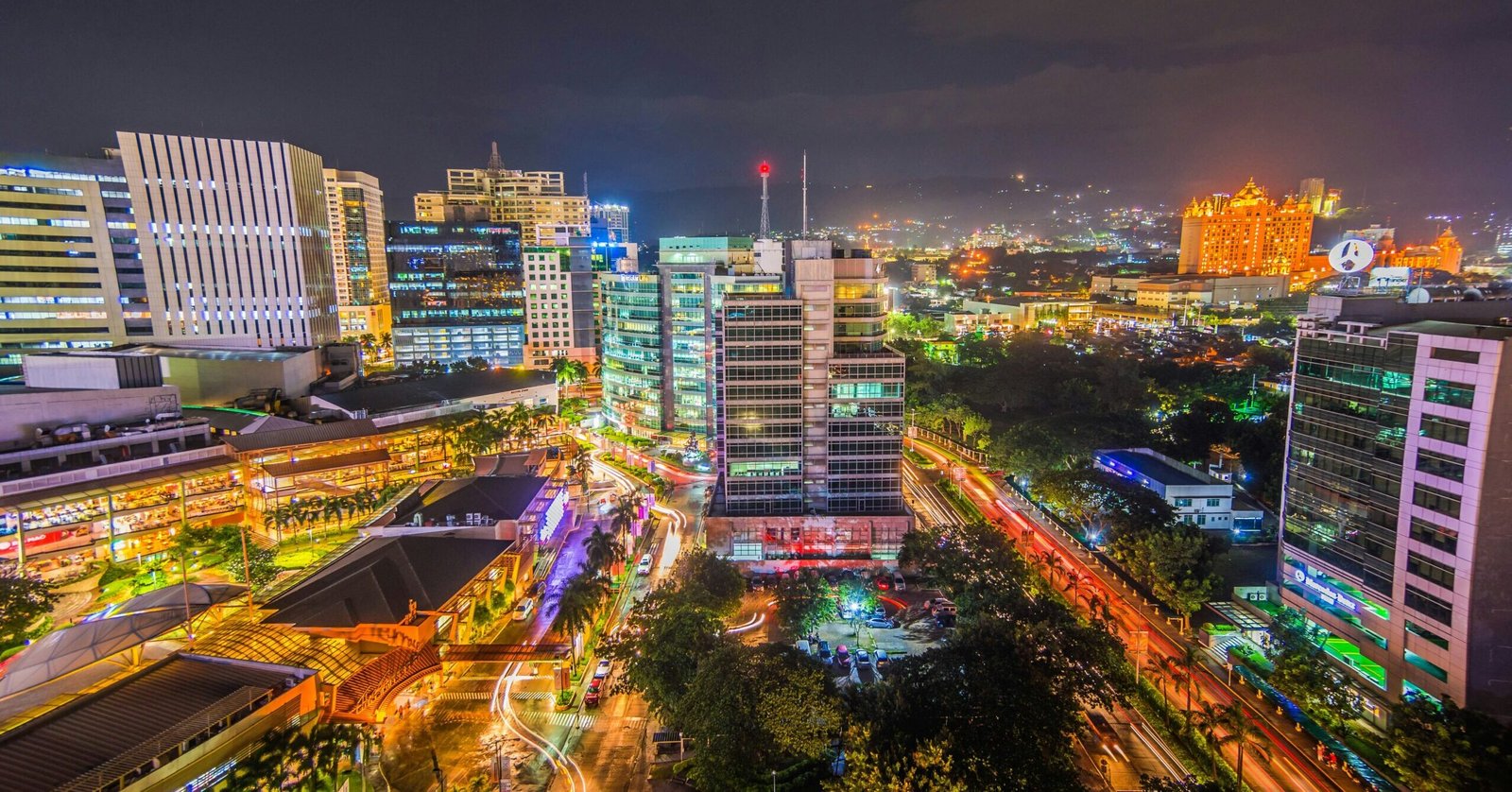
 Imagem principal
Os preços são mostrados em PHP Por padrão, a moeda utilizada é o peso filipino. Alterne para USD/EUR para uma comparação rápida e utilize o conversor abaixo para as principais moedas.
Converta orçamentos e estimativas de aluguel usando taxas de referência diárias (baseadas no BCE). Somente para as principais moedas.
Cebu é consideravelmente mais barata — geralmente de 20 a 401 TP/3T a menos que Manila. Aluguel, alimentação e entretenimento são geralmente mais acessíveis, sem deixar de oferecer boas comodidades urbanas. É uma escolha popular para quem busca custo-benefício e quer uma base em uma grande cidade, mas sem a pressão dos preços de Manila.
Melhor que Manila, mas ainda não é "fácil". Há congestionamento (especialmente em torno do Parque Tecnológico, Mandaue e pontes para Mactan), mas geralmente flui mais rápido do que a lentidão de Manila. A qualidade do ar é geralmente melhor e a brisa do mar ajuda, mas o calor e a umidade são intensos durante todo o ano.
Cebu tem sua própria identidade — mais tranquila, com o equilíbrio perfeito de uma cidade-ilha. Você encontra bairros modernos (como o IT Park) sem a intensidade constante de Manila, além de acesso rápido a praias, mergulho e ilhas próximas. É a conveniência urbana com a tranquilidade do litoral.
Forte, porém menor que Manila. O Parque Tecnológico é o principal polo para trabalhadores remotos (espaços de coworking, cafés, apartamentos), e abriga uma ativa comunidade de expatriados (incluindo muitos aposentados). É tipicamente mais integrado à cultura filipina do que a grande "bolha internacional" de Manila.“
Sim, o inglês é amplamente falado em áreas comerciais, shoppings e na maioria dos serviços. Mas o cebuano (bisaya) é a língua do dia a dia, e aprender o básico de cebuano representa uma grande melhoria na qualidade de vida, seja em mercados, bairros ou no desenvolvimento de amizades locais mais profundas.
A infraestrutura pode ser caótica: congestionamentos, obras constantes, quedas de energia ocasionais e internet instável fora das áreas nobres. O calor e a umidade tornam o ar-condicionado indispensável para muitas pessoas. Como em grande parte das Filipinas, você também verá desigualdades gritantes de perto.
Cebu é ideal para aposentados e trabalhadores remotos que buscam custo de vida acessível, facilidade para se comunicar em inglês e acesso rápido a praias e ilhas — sem a intensidade de Manila. É um excelente meio-termo entre a conveniência de uma grande cidade e a tranquilidade do interior.