
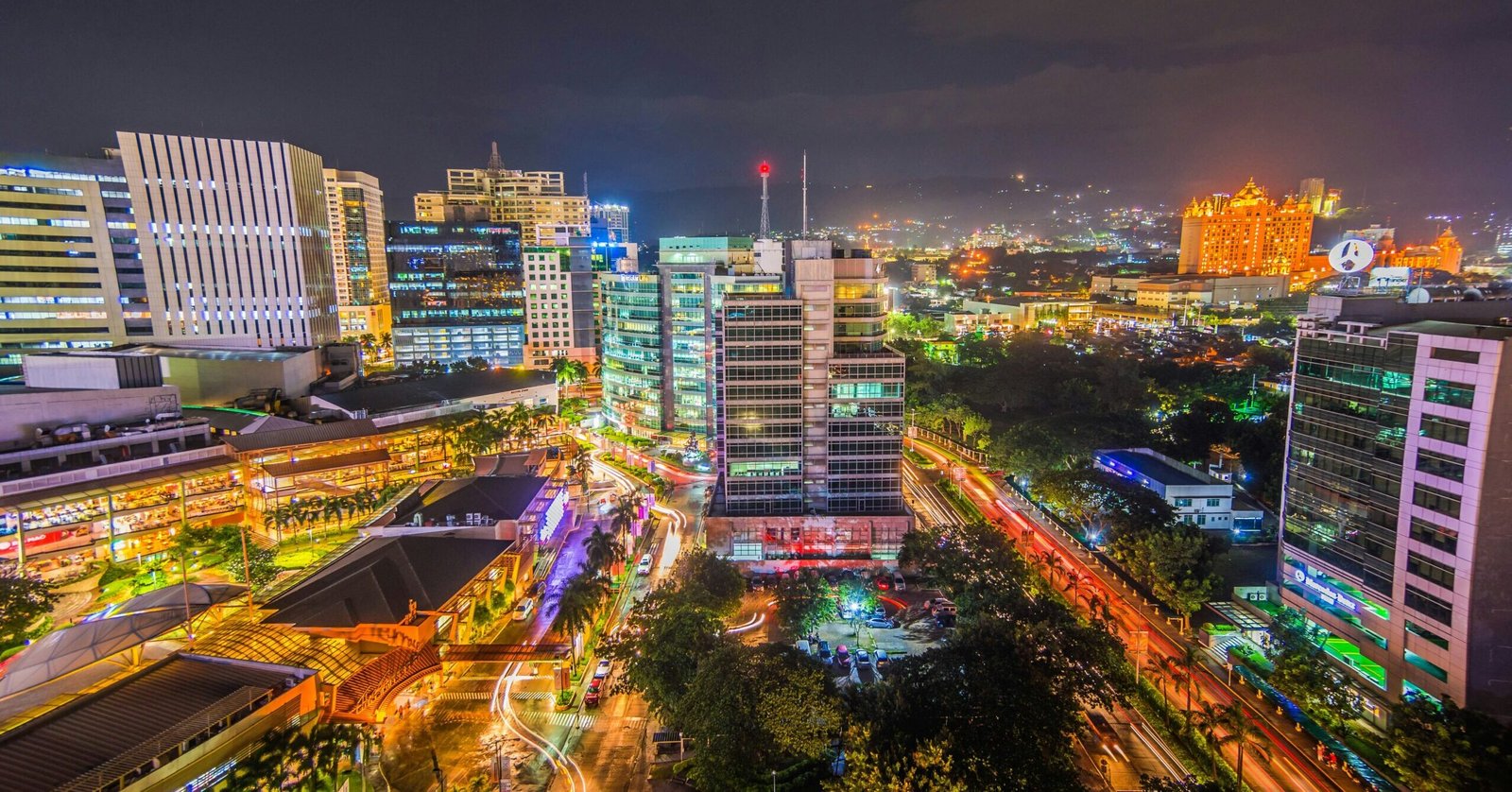
 Heldenbild
Preise werden in angegeben PHP standardmäßig (Philippinischer Peso). Wechseln Sie zu USD/EUR für einen schnellen Vergleich und verwenden Sie den untenstehenden Konverter für wichtige Währungen.
Budgets und Mietkostenschätzungen anhand von täglichen Referenzkursen (EZB-basiert) umrechnen. Nur Hauptwährungen.
Cebu ist deutlich günstiger – oft 20 bis 401 Baht weniger als Manila. Miete, Essen und Unterhaltung sind im Allgemeinen erschwinglicher, bieten aber dennoch eine gute städtische Infrastruktur. Cebu ist eine beliebte Wahl für alle, die einen Wohnsitz in einer Großstadt suchen, ohne dem Preisdruck Manilas ausgesetzt zu sein.
Besser als Manila, aber immer noch nicht einfach. Es gibt Staus (vor allem rund um den IT Park, Mandaue und die Brücken nach Mactan), aber sie bewegen sich in der Regel schneller als in Manila, wo es nur im Schneckentempo vorangeht. Die Luftqualität ist im Allgemeinen besser, und die Meeresbrise trägt zur Entspannung bei, aber Hitze und hohe Luftfeuchtigkeit herrschen das ganze Jahr über.
Cebu hat seinen ganz eigenen Charakter – entspannter, mit dem gewissen Etwas einer Inselstadt. Man findet moderne Viertel (wie den IT Park) ohne die ständige Hektik Manilas und hat gleichzeitig schnellen Zugang zu Stränden, Tauchgebieten und den nahegelegenen Inseln. Urbaner Komfort trifft hier auf Küstenflair.
Stark, aber kleiner als Manila. Der IT-Park ist das Zentrum für Remote-Arbeiter (Coworking-Spaces, Cafés, Eigentumswohnungen) und beherbergt eine aktive Expat-Community (darunter viele Rentner). Er ist in der Regel stärker in die philippinische Community integriert als Manilas große “internationale Blase”.”
Ja, Englisch ist in Geschäftsvierteln, Einkaufszentren und den meisten Dienstleistungsbetrieben weit verbreitet. Cebuano (Bisaya) ist jedoch die Alltagssprache, und das Erlernen grundlegender Cebuano-Kenntnisse verbessert die Lebensqualität auf Märkten und in der Nachbarschaft erheblich und vertieft die Freundschaften mit Einheimischen.
Die Infrastruktur kann chaotisch sein: Verkehrsstaus, ständige Baustellen, gelegentliche Stromausfälle und unzuverlässiges Internet außerhalb der Premium-Gebiete. Hitze und hohe Luftfeuchtigkeit machen Klimaanlagen für viele unverzichtbar. Wie in weiten Teilen der Philippinen wird man auch hier die eklatante Ungleichheit hautnah erleben.
Cebu ist ideal für Rentner und Fernarbeiter, die Wert auf erschwingliche Preise, englischsprachige Menschen und die Nähe zu Stränden und Inseln legen – ohne den Trubel Manilas. Es bietet eine gelungene Mischung aus Großstadtkomfort und ländlicher Ruhe.