
 Imagem principal
Os preços são mostrados em EUR Por padrão. Alterne para USD/GBP para uma comparação rápida e use o conversor abaixo para as principais moedas.
Observação: alguns itens (Airbnb + preço da casa + “hotel/mês”) são apresentados como estimativas quando as fontes públicas não fornecem uma mediana direta.
Converta orçamentos e estimativas de aluguel usando taxas de referência diárias (baseadas no BCE). Somente para as principais moedas.
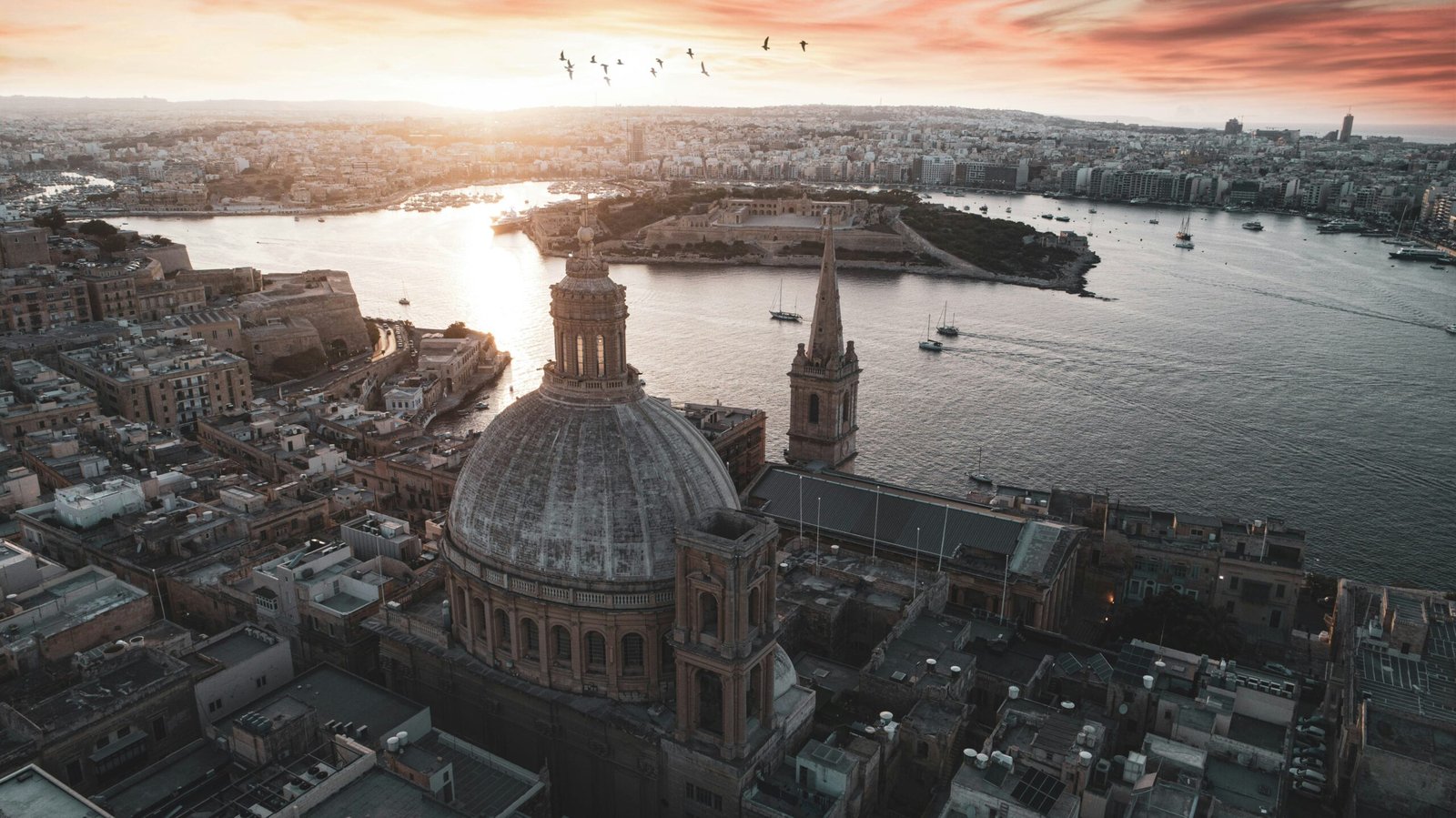
Valletta em si é minúscula — a menor capital da Europa, com apenas 0,61 km² e 5.100 habitantes. Toda a cidade é Patrimônio Mundial da UNESCO, com 320 monumentos históricos. É deslumbrante, mas extremamente turística e cara (entre € 900 e € 1.500 por mês para um apartamento de um quarto). A maioria dos expatriados mora nas proximidades de Sliema, St. Julian's ou Gżira e visita Valletta. Escolha Valletta pela sua história e localização central, mas espere encontrar multidões e preços elevados. Para o dia a dia, considere as áreas vizinhas — você nunca estará a mais de 10 minutos de distância.
Custo de vida médio para a Europa — mais barato que Reino Unido/Áustria/Holanda, mas mais caro que Portugal/Espanha. Orçamento mensal: Solteiros € 1.500-2.500, Casais € 2.500-3.500, Famílias € 3.500-5.000. Aluguel em Valletta/Sliema: € 900-1.500 para um apartamento de um quarto. Áreas mais baratas (Gżira, Mosta, Marsaskala): € 700-1.000. Supermercado € 50-80/semana por pessoa. Refeições € 15-20 (barato) / € 60-100 (preço médio) para duas pessoas. O aluguel é 681 TP3T mais barato que nos EUA e 221 TP3T mais barato que no Reino Unido. É acessível em comparação com as principais cidades ocidentais, mas não "barato" como na Europa Oriental.
O inglês é um idioma oficial — você não terá problemas. Malta é o país mais receptivo ao inglês para quem não é falante nativo na Europa. Todos falam inglês fluentemente, todos os serviços funcionam em inglês e as placas são bilíngues. Aprender maltês (malti) demonstra esforço e é apreciado pelos locais, mas não é absolutamente necessário para o dia a dia. Essa é uma grande vantagem para expatriados que falam inglês e torna a integração incrivelmente fácil em comparação com outros países europeus.
Clima mediterrâneo — mais de 300 dias de sol por ano. Os verões (junho a setembro) são quentes e podem ser desafiadores, frequentemente com temperaturas acima de 30-35°C e alta umidade. Você precisará usar bastante o ar-condicionado (o que aumenta as contas de energia). Os invernos são amenos (15-18°C), com clima perfeito. A primavera e o outono são ideais. Se você é do norte da Europa, os verões parecem intensos. Se você está acostumado com climas quentes, é suportável. A vantagem é a possibilidade de atividades ao ar livre durante o ano todo, praias e sol de verdade. Apenas reserve um dinheiro extra para os custos do ar-condicionado no verão.
Malta é minúscula — você consegue atravessar a ilha inteira de carro em 45 minutos. Algumas pessoas adoram o ambiente acolhedor, outras se sentem claustrofóbicas depois de alguns meses. Cerca de 115.000 expatriados vivem aqui (uma população de mais de 201.000 pessoas), então é evidente que muitos se adaptam bem. De Valletta a qualquer lugar são 10 a 20 minutos. A cidade é densamente povoada, mas bem conectada à Europa por meio de aeroportos — voos baratos para Itália, Espanha e Reino Unido. Considere Malta uma base europeia com opções para escapadas de fim de semana, em vez de um país vasto para explorar. Funciona para alguns, sufocante para outros.
Central/caro: Valletta (histórica, turística, €900-1.500), Sliema (ponto de encontro de expatriados, praia, restaurantes, €900-1.400), St. Julian's (vida noturna, público jovem, entretenimento).
Melhor relação custo-benefício: Gżira (10 min da ação, € 700-1.000), Mosta/Naxxar (residencial, clima local, mais barato), Marsaskala (cidade de pescadores, autêntica, tranquila).
Ideal para famílias: Mellieħa (praias, ambiente descontraído, atividades para famílias).
Silencioso/histórico: Mdina (cidade fortificada no topo de uma colina, vistas deslumbrantes, ritmo de vida muito lento).
A maioria dos expatriados escolhe Sliema/St. Julian's pela conveniência, apesar dos custos mais elevados.
Ideal para: Expatriados que falam inglês (sem barreira linguística), trabalhadores remotos (boa internet, localização na UE, ambiente de negócios em inglês), aposentados (300 dias de sol, excelente assistência médica, benefícios fiscais, segurança), famílias (escolas internacionais de € 4.000 a € 10.000 por ano, segurança, praias), profissionais de iGaming/finanças (setores fortes aqui), pessoas que desejam residência na UE com inglês.
Não ideal para: Pessoas que detestam espaços pequenos (síndrome da ilha é real), aqueles que precisam da cultura/entretenimento de grandes cidades (limitado em comparação com as principais capitais), qualquer pessoa com orçamento extremamente limitado (não é caro, mas também não é o mais barato), pessoas que detestam calor/turistas (verões intensos, multidões de turistas).
Malta oferece a experiência de viver na União Europeia, falar inglês, desfrutar de um clima mediterrâneo e ter excelentes conexões — tudo isso em um pequeno e histórico país. Apenas tenha em mente o que você está adquirindo: é uma ilha, não um país vasto.