
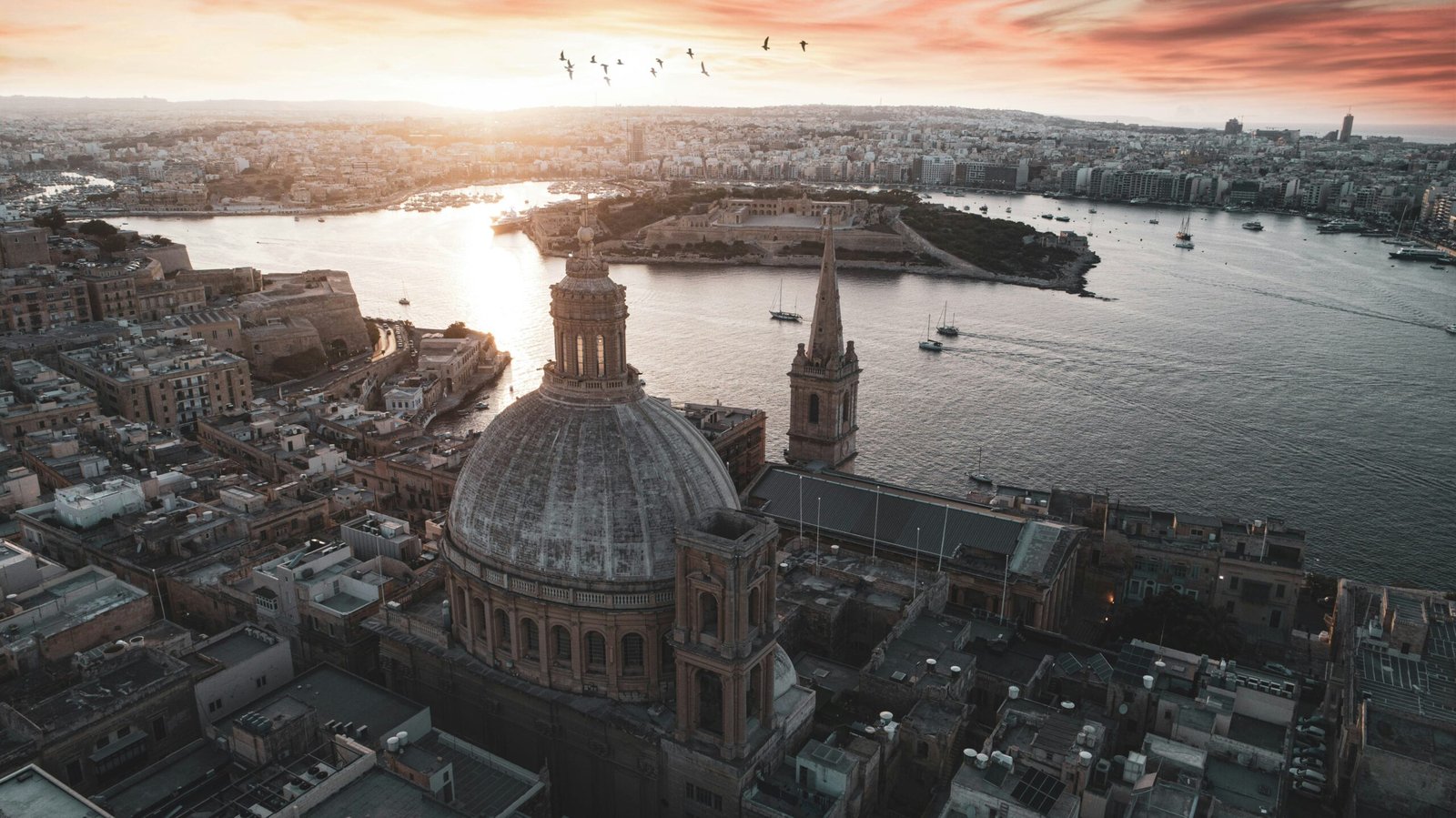
 Hero image
Cost of Living in Valletta
Valletta cost overview
Prices are shown in EUR by default. Switch to USD/GBP for quick comparison, and use the converter below for major currencies.
Note: a few items (Airbnb + home price + “hotel/month”) are labeled as estimates where public sources don’t provide a direct median.
Currency converter
Convert budgets and rent estimates using daily reference rates (ECB-based). Major currencies only.
Frequently Asked Questions
Is Valletta worth living in or is it too small and touristy?
Valletta itself is tiny—Europe’s smallest capital at only 0.61 km², with just 5,100 residents. The entire city is a UNESCO World Heritage site with 320 historical monuments. It’s stunning but intensely touristy and expensive (€900-1,500/month for 1-bedroom). Most expats actually live in nearby Sliema, St. Julian’s, or Gżira and visit Valletta. Choose Valletta for history and central location, but expect crowds and premium prices. For actual daily living, consider surrounding areas—you’re never more than 10 minutes away anyway.
What’s the cost of living compared to other European cities?
Mid-range for Europe—cheaper than UK/Austria/Netherlands but pricier than Portugal/Spain. Monthly budget: Singles €1,500-2,500, Couples €2,500-3,500, Families €3,500-5,000. Valletta/Sliema rent: €900-1,500 for 1-bedroom. Cheaper areas (Gżira, Mosta, Marsaskala): €700-1,000. Groceries €50-80/week single person. Dining €15-20 cheap/€60-100 mid-range for two. Rent is 68% lower than US, 22% lower than UK. It’s affordable compared to major Western cities but not “cheap” like Eastern Europe.
Do I need to learn Maltese or is English really enough?
English is an official language—you’ll be completely fine. Malta is the most English-friendly non-native English-speaking country in Europe. Everyone speaks English fluently, all services operate in English, signs are bilingual. Learning Maltese (Malti) shows effort and locals appreciate it, but it’s absolutely not necessary for daily life. This is a huge advantage for English-speaking expats and makes integration incredibly easy compared to other European countries.
What’s the weather like? Is summer unbearably hot?
Mediterranean climate—300+ sunny days yearly. Summers (June-Sept) are hot and can be challenging, often 30-35°C+ with humidity. You’ll rely heavily on AC (which increases utility bills). Winters are mild (15-18°C), perfect weather. Spring/fall are ideal. If you’re from Northern Europe, summers feel intense. If you’re from hot climates, it’s manageable. The trade-off is year-round outdoor activities, beaches, and genuine sunshine. Just budget extra for summer AC costs.
Is Malta too small? Will I get island fever?
Malta is tiny—you can drive across the entire island in 45 minutes. Some people love the cozy feel, others feel claustrophobic after months. About 115,000 expats live here (20%+ of population), so clearly many adjust fine. Valletta to anywhere is 10-20 minutes. You’re densely packed but well-connected to Europe via airport—cheap flights to Italy, Spain, UK. Consider it a European base with weekend escape options rather than a vast country to explore. Works for some, suffocating for others.
Central/expensive: Valletta (historic, touristy, €900-1,500), Sliema (expat hub, beach, restaurants, €900-1,400), St. Julian’s (nightlife, young crowd, entertainment).
Better value: Gżira (10 min from action, €700-1,000), Mosta/Naxxar (residential, local vibe, cheaper), Marsaskala (fishing town, authentic, quiet).
Family-friendly: Mellieħa (beaches, relaxed, family activities).
Quiet/historic: Mdina (fortified hilltop city, stunning views, very slow pace).
Most expats choose Sliema/St. Julian’s for convenience despite higher costs.
Who is Malta actually ideal for?
Perfect for: English-speaking expats (zero language barrier), remote workers (good internet, EU location, English business environment), retirees (300 sunny days, excellent healthcare, tax benefits, safe), families (international schools €4,000-10,000/year, safe, beaches), iGaming/finance professionals (strong industries here), people wanting EU residence with English.
Not ideal for: People who hate small spaces (island fever real), those needing big city culture/entertainment (limited compared to major capitals), anyone on extreme budget (not expensive but not cheapest either), people who hate heat/tourists (summers intense, tourist crowds).
Malta gives you EU living, English language, Mediterranean climate, and excellent connectivity—all in a tiny, historic package. Just know what you’re getting: it’s an island, not a vast country.