
 Image héros
Les prix sont indiqués en EUR Par défaut. Passez à la paire USD/GBP pour une comparaison rapide et utilisez le convertisseur ci-dessous pour les principales devises.
Remarque : certains éléments (Airbnb + prix du logement + “ hôtel/mois ”) sont étiquetés comme des estimations lorsque les sources publiques ne fournissent pas de médiane directe.
Convertir les budgets et les estimations de loyer en utilisant les taux de référence quotidiens (basés sur la BCE). Principales devises uniquement.
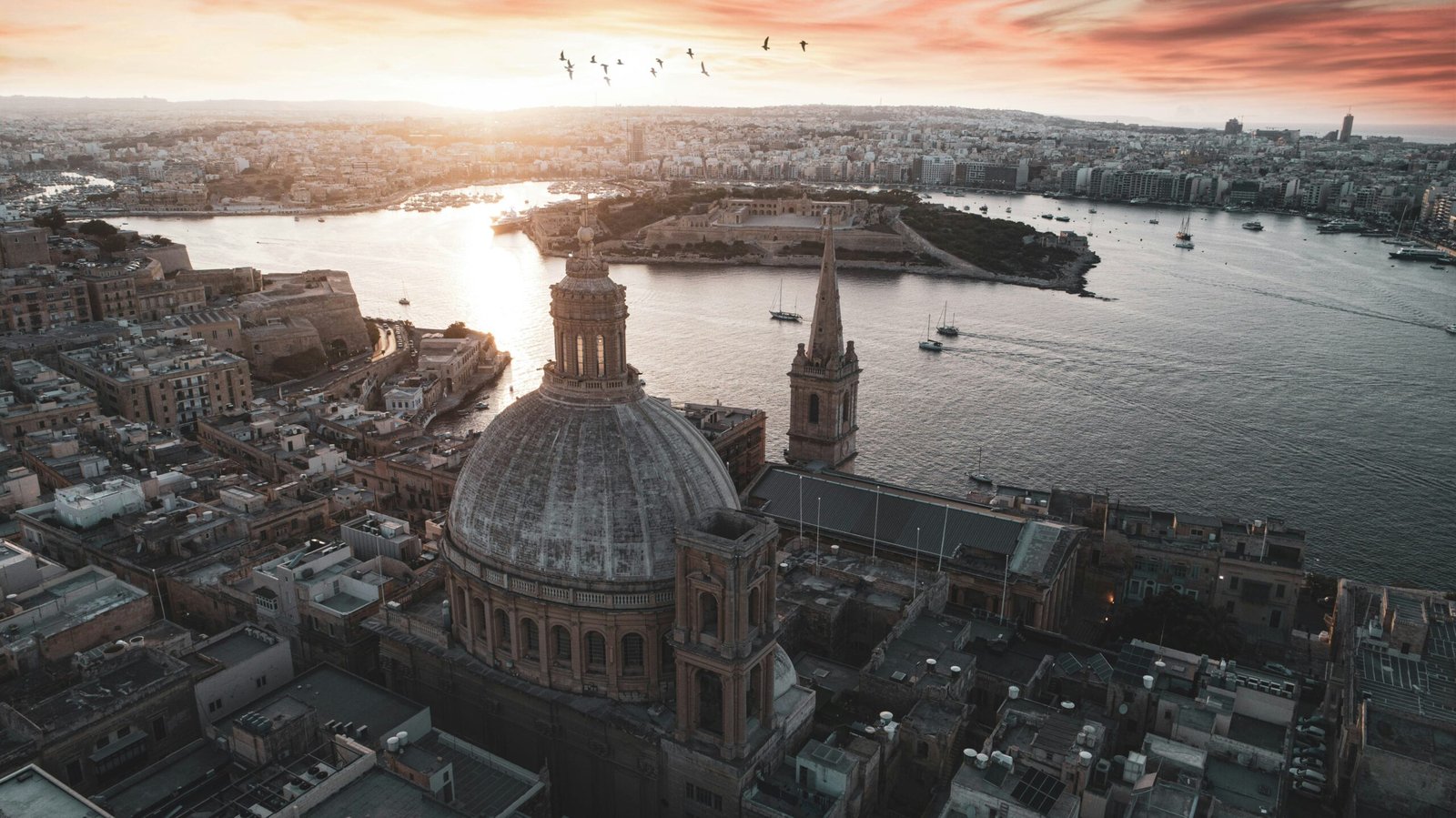
La Valette est minuscule : la plus petite capitale d'Europe avec seulement 0,61 km² et 5 100 habitants. Classée au patrimoine mondial de l'UNESCO, elle abrite 320 monuments historiques. C'est une ville magnifique, mais très touristique et chère (900 à 1 500 € par mois pour un appartement d'une chambre). La plupart des expatriés vivent d'ailleurs dans les villes voisines de Sliema, St. Julian's ou Gżira et viennent y faire des excursions. Choisissez La Valette pour son histoire et sa situation centrale, mais attendez-vous à une forte affluence et à des prix élevés. Pour votre vie quotidienne, privilégiez les environs : vous n'êtes jamais à plus de 10 minutes de là.
Coût de la vie moyen en Europe : moins cher qu’au Royaume-Uni, en Autriche et aux Pays-Bas, mais plus cher qu’au Portugal et en Espagne. Budget mensuel : personnes seules : 1 500 € à 2 500 €, couples : 2 500 € à 3 500 €, familles : 3 500 € à 5 000 €. Loyer à La Valette/Sliema : 900 € à 1 500 € pour un appartement d’une chambre. Quartiers moins chers (Gżira, Mosta, Marsaskala) : 700 € à 1 000 €. Courses : 50 € à 80 € par semaine pour une personne seule. Restaurants : 15 € à 20 € (petit budget) / 60 € à 100 € (gamme moyenne) pour deux personnes. Le loyer est inférieur de 681 000 € à celui des États-Unis et de 221 000 € à celui du Royaume-Uni. C’est abordable comparé aux grandes villes occidentales, mais pas " bon marché " comme en Europe de l’Est.
L'anglais est une langue officielle : vous n'aurez aucun problème. Malte est le pays non anglophone le plus accueillant pour les anglophones en Europe. Tout le monde parle couramment anglais, tous les services fonctionnent en anglais et la signalétique est bilingue. Apprendre le maltais (malti) témoigne d'un effort et est apprécié des locaux, mais ce n'est absolument pas indispensable au quotidien. C'est un atout considérable pour les expatriés anglophones et cela facilite grandement leur intégration par rapport à d'autres pays européens.
Climat méditerranéen : plus de 300 jours de soleil par an. Les étés (juin à septembre) sont chauds et peuvent être éprouvants, avec des températures souvent supérieures à 30-35 °C et un taux d'humidité élevé. La climatisation sera alors indispensable (ce qui augmentera vos factures d'énergie). Les hivers sont doux (15-18 °C), offrant un climat idéal. Le printemps et l'automne sont également parfaits. Si vous venez d'Europe du Nord, les étés vous paraîtront intenses. Si vous êtes habitué aux climats chauds, ils seront tout à fait supportables. L'avantage ? Des activités de plein air, des plages et un ensoleillement exceptionnel toute l'année. Prévoyez simplement un budget supplémentaire pour la climatisation en été.
Malte est minuscule : on peut en faire le tour en voiture en 45 minutes. Certains apprécient son ambiance intime, d’autres s’y sentent à l’étroit après quelques mois. Environ 115 000 expatriés y vivent (sur une population totale de plus de 201 000 habitants), preuve que beaucoup s’y adaptent sans problème. De La Valette à n’importe quel point de la ville, il faut compter 10 à 20 minutes. L’île est dense, mais très bien desservie par l’aéroport, avec des vols bon marché vers l’Italie, l’Espagne et le Royaume-Uni. Considérez-la plutôt comme un pied-à-terre européen avec des possibilités d’escapades le week-end, plutôt que comme un vaste pays à explorer. Un mode de vie idéal pour certains, étouffant pour d’autres.
Centre/cher : La Valette (historique, touristique, 900-1 500 €), Sliema (centre d'expatriés, plage, restaurants, 900-1 400 €), St. Julian's (vie nocturne, clientèle jeune, divertissements).
Meilleur rapport qualité-prix : Gżira (10 min de l'action, 700-1 000 €), Mosta/Naxxar (résidentiel, ambiance locale, moins cher), Marsaskala (ville de pêcheurs, authentique, calme).
Adapté aux familles : Mellieħa (plages, détente, activités familiales).
Calme/historique : Mdina (ville fortifiée perchée sur une colline, vues imprenables, rythme de vie très lent).
La plupart des expatriés choisissent Sliema/St. Julian's par commodité malgré des coûts plus élevés.
Idéal pour : Expatriés anglophones (aucune barrière linguistique), télétravailleurs (bonne connexion internet, situation géographique dans l'UE, environnement commercial anglophone), retraités (300 jours de soleil par an, excellent système de santé, avantages fiscaux, sécurité), familles (écoles internationales 4 000 à 10 000 €/an, sécurité, plages), professionnels de l'iGaming/finance (secteurs dynamiques), personnes souhaitant obtenir un permis de séjour dans l'UE et maîtrisant l'anglais.
Pas idéal pour : Pour ceux qui détestent les petits espaces (le mal du pays est bien réel), ceux qui ont besoin de la culture et des divertissements des grandes villes (offre limitée par rapport aux grandes capitales), ceux qui ont un budget très serré (ni cher, ni bon marché), ceux qui détestent la chaleur et les touristes (étés intenses, foule de touristes).
Malte vous offre le mode de vie européen, l'anglais, le climat méditerranéen et une excellente connectivité, le tout dans un petit écrin de patrimoine. Sachez simplement que c'est une île, pas un vaste pays.