
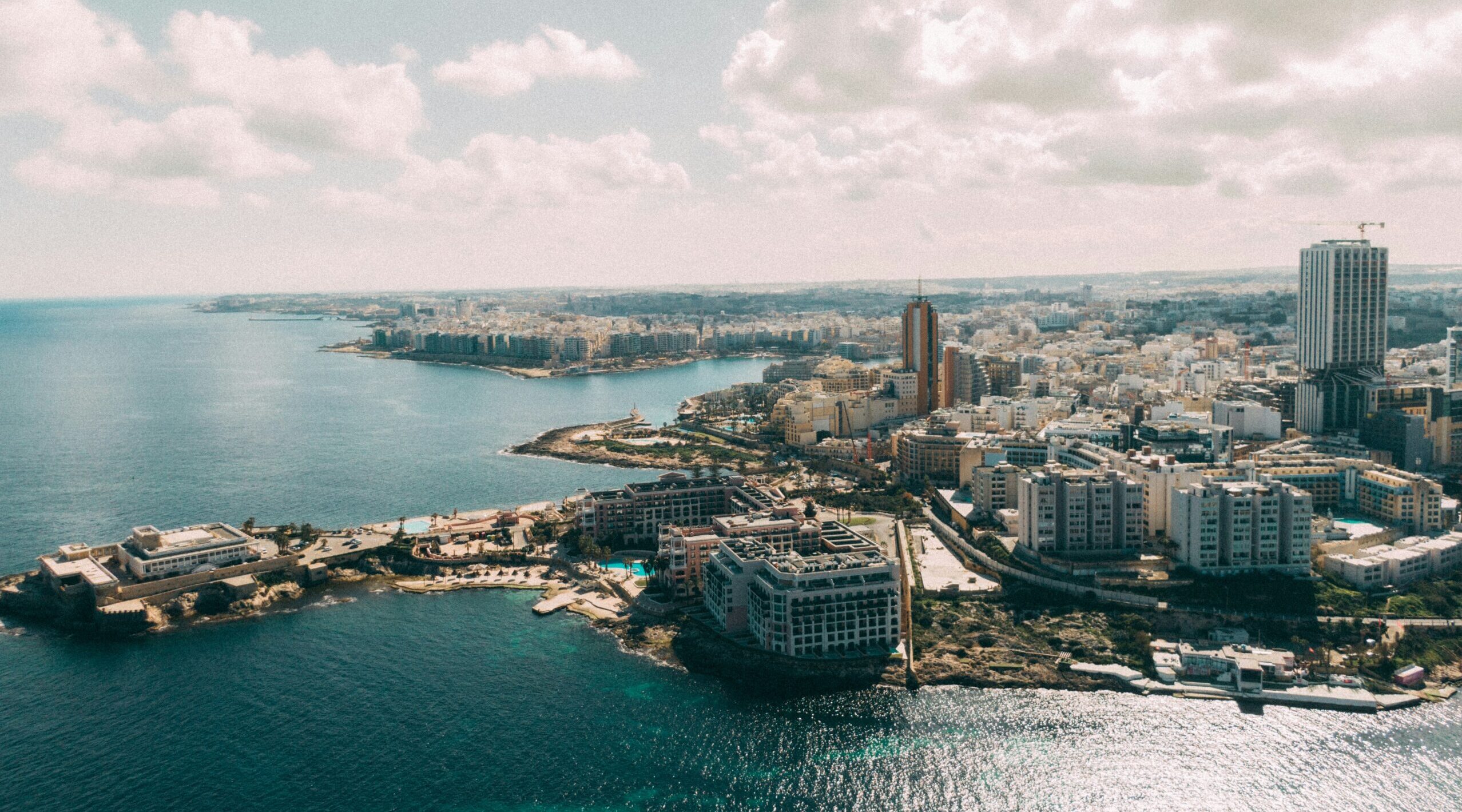
 Hero image
Cost of Living in Sliema
Sliema cost overview
Prices are shown in EUR by default. Switch to USD/GBP for quick comparison, and use the converter below for major currencies.
Note: “hotel/month” and “Airbnb/month” are estimates based on average nightly rates; the home price is the median asking price for apartments.
Currency converter
Convert budgets and rent estimates using daily reference rates (ECB-based). Major currencies only.
Frequently Asked Questions
Is Sliema a good place to live as a digital nomad?
Yes – it is the most popular base in Malta for remote workers. You get a seafront promenade, plenty of cafés and coworking spaces, English spoken everywhere, and the ferry to Valletta. The trade-offs are higher rent than the rest of the island, construction noise and busy summers.
How much is rent in Sliema?
A one-bedroom apartment in central Sliema typically costs about €1,200–€1,800 per month, with sea views, balconies or a garage adding €100–€300. Two-bedroom apartments are around €1,800–€2,800. Prices are lower a few streets back from the seafront and in nearby Gżira or Msida.
How much do I need per month to live in Sliema?
A single person renting a one-bedroom apartment should budget roughly €2,500–€2,700 per month including rent, utilities, food, transport and some eating out. A family of four should plan for around €6,000 or more, mainly because of larger apartments and international school fees.
Sliema or Valletta – where should I live?
Most expats live in Sliema and visit Valletta. Sliema has more apartments to choose from, modern buildings, shops and the seafront, while Valletta is small, historic and quieter at night. The two are 10 minutes apart by ferry, so you can easily enjoy both.
Do I need a car in Sliema?
No. Sliema is very walkable, buses connect it to the rest of Malta, a monthly Tallinja card is cheap, and ride-hailing (Bolt, Uber, eCabs) is widely used. Parking in Sliema and St Julian’s is notoriously difficult, so many residents do without a car.
What is the best time of year to move to Sliema?
Autumn and spring are the easiest. Rents and short-let prices peak in July and August, when the town is busiest and hottest. Arriving between October and May gives you more choice of apartments and better negotiating power on long-term leases.