Colombo, Sri Lanka: A Practical Guide for First-Time Visitors
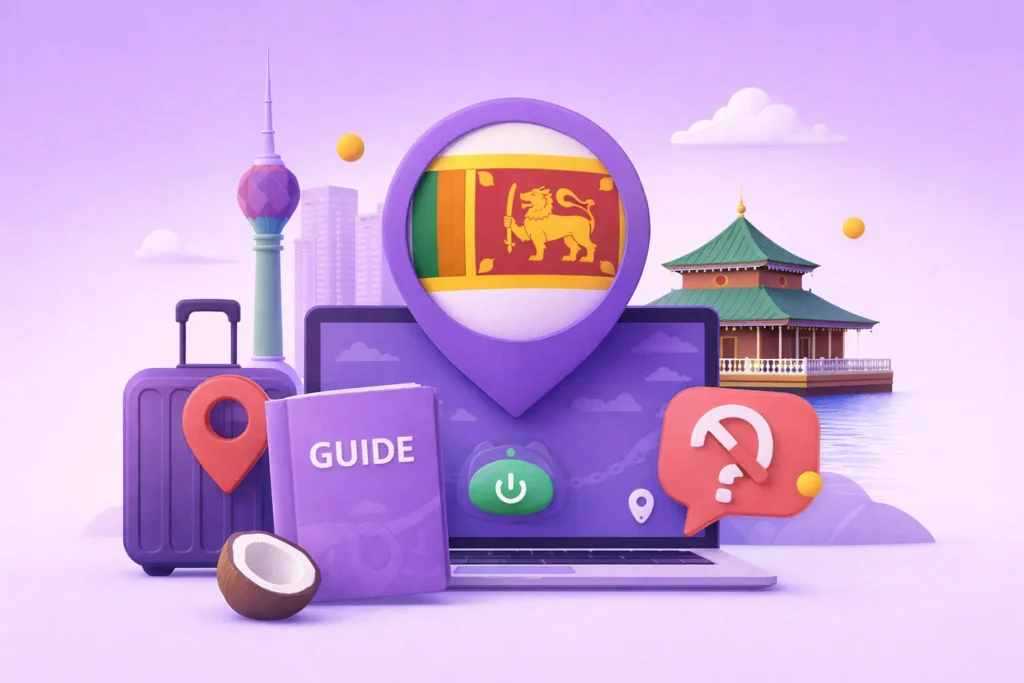
Table of content
- Where Is Colombo, Sri Lanka?
- Is Colombo, Sri Lanka Safe?
- How Long Should You Spend in Colombo?
- What to Do in Colombo, Sri Lanka
- What to Buy in Colombo, Sri Lanka
- Best Cafes and Restaurants in Colombo for Digital Nomads
- Getting Around Colombo: Uber, PickMe, and Tuk-Tuks
- Where to Stay in Colombo: Hotels by Budget
- Best Time of Year to Visit Colombo, Sri Lanka
- Sample Colombo Itinerary: Making the Most of 2 Days
- Conclusion
Colombo is Sri Lanka’s main international gateway. While it offers a handful of worthwhile sights, most travelers use it as a brief starting point rather than a final destination, spending 2-3 days before heading inland to Kandy and Ella or south to the island’s beaches.
Where Is Colombo, Sri Lanka?
Colombo is Sri Lanka’s capital and largest city, located on the western coast along the Indian Ocean. The city serves as the country’s commercial and administrative hub, and most importantly for travelers, it’s where Bandaranaike International Airport sits about 32.5 kilometers north near Negombo. Nearly all international commercial flights use Bandaranaike. Colombo also has Ratmalana Airport 15 km south of the city center, which handles domestic flights, private jets, and some charter services, useful primarily for inter-island travel or if you’re flying private.
Your position on the western coast puts you within striking distance of better destinations. Galle and its colonial fort are 2 hours south by train or car. Kandy and the Temple of the Tooth are 3 hours northeast through winding mountain roads. Ella, with its epic train journey through tea country, sits 8-9 hours away, book the overnight train or plan a daytime scenic route with stops.
Colombo functions as a necessary transit point rather than a destination. Every international flight to Sri Lanka lands here, meaning you’ll inevitably spend at least one night in or near the city. The smart move is treating it as your arrival buffer or departure staging area, not your Sri Lanka experience.
Is Colombo, Sri Lanka Safe?
Colombo is generally safe for tourists with standard urban precautions, though you should completely avoid beach areas which have serious safety and cleanliness issues.
The city recovered well from the 2019 Easter bombings, with improved security at hotels, shopping centers, and tourist sites. You’ll see metal detectors and bag checks at malls and some hotels, this is normal and increases safety rather than signaling danger. Safe neighborhoods for tourists include Colombo 3 (Kollupitiya), Colombo 5 (Havelock Town), and Colombo 7 (Cinnamon Gardens). These areas have hotels, restaurants, and cafes where you’ll spend most of your time. The Fort business district is safe during the day but dead at night.
Common issues involve tuk-tuk overcharging and petty theft in crowded markets. Street tuk-tuk drivers will quote prices twice higher than apps like Uber or PickMe. Always use ride-hailing apps instead of negotiating with street drivers. In Pettah Market, watch your belongings closely as pickpockets target distracted tourists.
Beach areas are disasters – avoid entirely. I saw warnings in early 2025 Google reviews but didn’t believe them until visiting Mount Lavinia myself. The public beach was awful. Multiple recent Google reviews describe it as “quite dirty” with “lots of rubbish scattered all over.” Local people have set up makeshift camps along the shore and throw trash directly into the ocean. Dead fish wash up regularly, and couple of drug dealers approach lonely tourists. Some areas have such a strong urine smell you can’t walk comfortably. Even Galle Face Green, while better maintained as a park, has recent complaints about beggars sleeping on walkways and sanitation issues.
Check current Google reviews before visiting any Colombo beach, conditions fluctuate but generally remain poor. The real beaches worth visiting are in Mirissa, Unawatuna, Arugam Bay, and Tangalle along the south and east coasts.
Traffic presents the biggest daily risk. Crossing streets requires looking multiple times in both directions. Sidewalks are chaotic with vendors, construction, and missing sections. Riding in tuk-tuks means no seatbelts and aggressive driving, but it’s the most practical transport option. Women travelers generally report feeling safe, though standard precautions apply: avoid walking alone late at night, use registered taxis or Uber rather than unmarked vehicles, and stay in well-populated tourist areas after dark.
How Long Should You Spend in Colombo?
Two to three days is genuinely enough, there’s not much to see or do in the capital compared to the rest of Sri Lanka. Most of your trip should be spent elsewhere because the actual cool activities are around the country, not in this commercial city.
Colombo has limited attractions worth your vacation time. You can see the handful of temples, museums, and colonial buildings in one full day. There are no compelling cultural sites compared to Kandy’s Temple of the Tooth. There’s no nature or adventure like Ella’s hiking trails, waterfalls, and tea plantations. The beaches are trash-filled disasters rather than the pristine coast you came to Sri Lanka to experience.
The real Sri Lanka exists outside Colombo. Ella offers the iconic Nine Arch Bridge, Little Adam’s Peak hikes, and tea estate tours through emerald hills. Kandy provides authentic cultural experiences with traditional dance shows and the sacred Temple of the Tooth. Sigiriya’s ancient rock fortress beats any Colombo building. The south coast delivers whale watching in Mirissa, surfing in Arugam Bay, and actually swimmable beaches in Unawatuna.
Ideal Colombo positioning depends on your itinerary. Spend 2 nights on arrival to recover from your flight, adjust to the time zone, and see the main sights. Alternatively, use it for 1 night pre-departure when you need to be close to the airport. Don’t waste 4-5 days here, those days are better spent in hill country or on the coast.
If you’re planning a trip under 7 days total in Sri Lanka, consider skipping Colombo entirely beyond a quick airport-to-next-destination transfer. Your limited time is too valuable to spend walking around a functional commercial city when Ella, Kandy, and Galle exist.
What to Do in Colombo, Sri Lanka
The main sights are doable in one full day, and nothing here is groundbreaking compared to attractions elsewhere in Sri Lanka.
Gangaramaya Temple offers a Buddhist temple experience with an eclectic collection of artifacts, gifts from devotees, and a small museum. Budget 1 hour. It’s worth seeing if you haven’t been to Kandy yet, but skip it entirely if you’re visiting the Temple of the Tooth later.
Galle Face Green provides an oceanfront promenade perfect for sunset walks and street food sampling. Vendors sell isso wade (shrimp fritters), grilled corn, and fresh fruit. The park itself is fine for strolling and watching locals fly kites, just stay away from the actual shore area which has serious trash and safety problems.
National Museum of Colombo covers Sri Lankan history through artifacts, royal regalia, and colonial-era exhibits. Only visit if you genuinely enjoy museums, as it’s skipable for most travelers on limited time.
Lotus Tower Colombo Sri Lanka stands as the tallest structure in South Asia with an observation deck offering city views. Skip it if time-limited, the views don’t compare to Sigiriya or Ella’s viewpoints, and you’re paying to look at a concrete cityscape rather than natural beauty.
Pettah Market delivers a chaotic, authentic local bazaar experience. Navigate narrow lanes packed with vendors selling everything from electronics to spices to textiles. It’s overwhelming but genuinely represents daily Sri Lankan commerce. Go in the morning when it’s less hot and crowded.
Fort area colonial architecture includes old government buildings and the former parliament. A 30-minute walk covers the highlights if you like historical architecture, though Galle Fort on the south coast offers better-preserved colonial buildings in a more attractive setting.
What’s overrated: Most “top 10 Colombo attractions” lists inflate mediocre spots to fill content. Don’t waste time on minor temples when Kandy has better ones. Skip beach areas entirely given their condition. Random shopping districts don’t offer anything unique to Sri Lanka.
Better activities await elsewhere. Would you rather walk past colonial buildings in Colombo or hike to Ella’s waterfalls? Tour a minor temple here or see the Temple of the Tooth in Kandy? Photograph concrete towers or stand atop Sigiriya rock fortress? The choice is obvious.
One full day covers Colombo’s main sights comfortably. Use your second day for working from cafes, last-minute shopping if needed, or getting an early start to your next destination.
What to Buy in Colombo, Sri Lanka
Don’t rush to buy souvenirs in Colombo, other cities have the same items plus better local crafts, and you can even shop at the airport on departure.
All Sri Lankan cities sell similar products: Ceylon tea, spices, batik textiles, elephant poo made paper, wooden handicrafts, and gemstones. The selection and prices don’t vary dramatically between Colombo, Kandy, Galle, or Ella. Even Bandaranaike Airport has extensive duty-free shops with tea, spices, and handicrafts at competitive prices.
Two smart shopping strategies work better than loading up in Colombo. First, buy unique items throughout your journey for memory-related attachment to each place. Get traditional masks in Kandy where they’re made, purchase tea directly from estates in Nuwara Eliya or Ella, buy handmade lace in Galle’s fort area. Each item connects to a specific experience rather than a generic Colombo shopping trip.
Second, save all shopping for your last days. Buy everything at the airport or during your final Colombo night before departure. This avoids carrying purchases through your entire trip – no worrying about fragile items in your backpack while hiking Ella or keeping tea fresh in humid coastal areas.
If you do shop in Colombo despite better options existing, here’s what to know. Ceylon tea is available everywhere, so wait for actual tea estates where you can tour plantations and buy directly. Gemstones should come from certified dealers in Ratnapura (the gem capital), not random Colombo shops where authenticity is questionable. Batik textiles look identical whether bought in Colombo or Kandy.
Shopping locations in Colombo include Odel (upscale department store with fixed prices), Pettah Market (chaotic bargaining required), and Laksala (government-run handicrafts store with fair prices and quality guarantees). Paradise Road sells high-end design items and homeware but prices are steep.
Bottom line: Don’t waste precious Colombo time shopping when you’ll find better selections, better prices, and more meaningful purchases in other cities or at the airport on your way out.
Best Cafes and Restaurants in Colombo for Digital Nomads
Colombo offers excellent digital nomad-friendly cafes with reliable WiFi alongside diverse dining options from upscale seafood to street food.
Working Cafes for Freelancers:
Cafe Kumbuk delivers fast WiFi (20-30 Mbps), healthy food focused on organic ingredients, plenty of power outlets, and a laptop-friendly atmosphere. Popular with remote workers who camp out for 3-4 hours. Air-conditioned, which matters in Colombo’s heat.
Grind combines specialty coffee with a proper workspace vibe. Multiple locations across Colombo, with reliable WiFi and comfortable seating designed for extended work sessions. The cafe attracts freelancers and startup teams, creating a productive atmosphere. Strong coffee selection from local and international beans.
Butter Boutique specializes in quality coffee with beans sourced from Sri Lankan estates. Calm atmosphere, stable WiFi, comfortable seating for long sessions. Staff don’t rush you if you’re working on a laptop with regular drink orders.
Coffee Bean & Tea Leaf (Dutch Hospital location) provides reliable chain quality with dependable WiFi, AC, and long operating hours. The Dutch Hospital complex itself is worth seeing a restored colonial building now housing cafes and restaurants.
Brown Sugar operates as a bakery-cafe with excellent WiFi and workspace-friendly setup. Known for quality pastries, sandwiches, and good coffee. Less crowded than some tourist cafes, making it easier to find seating during peak hours. Air-conditioned with power outlets available.
Exchange Colombo functions as a co-working space with an attached cafe. Day passes available if you need dedicated workspace with meeting rooms and printing facilities.
Trendy/Chilling Cafes:
Colombo Coffee Club offers Instagram-worthy interiors with industrial-chic design. Good specialty coffee, WiFi available though geared more toward socializing than serious work sessions.
The Flour Station operates as a bakery-cafe with excellent pastries and brunch. Popular weekend spot, less ideal for laptop work during peak hours.
Cafe Francais serves French-style pastries and coffee. Relaxed European cafe vibe with WiFi though seating fills quickly.
Upscale Dining:
Ministry of Crab has become famous for jumbo Sri Lankan crabs prepared multiple ways. Expensive by local standards (expect $40-60 per person) and requires advance booking, especially on weekends. Worth it if seafood is your priority and budget allows.
The Gallery Café occupies a Geoffrey Bawa-designed building, offering brunch and lunch in an art gallery setting. The architecture alone justifies a visit. Mid-range pricing, excellent for a special meal.
Curry Leaf at Hilton provides a comprehensive Sri Lankan buffet. Good way to sample multiple traditional dishes if you haven’t experienced authentic rice and curry yet. Mid-range pricing for hotel dining.
Local/Budget Options:
Galle Face Green street food vendors sell isso wade (crispy shrimp fritters), grilled corn with chili and lime, fresh fruit, and kottu roti. Prices are incredibly cheap (under $2 for substantial portions). Food safety is generally fine from busy vendors with high turnover.
Pilawoos serves authentic Sri Lankan rice and curry plates. Lunch packets cost around 300-400 LKR ($0.97-1.30 USD). Busy with locals, which indicates good food and fair prices.
Hotel de Pilawoos operates as a local institution serving cheap Sri Lankan meals. No-frills atmosphere, excellent for budget travelers wanting genuine local food.
WiFi speeds average 10-30 Mbps in most cafes, sufficient for emails, video calls, and basic work. Colombo’s coffee culture is growing with specialty coffee now available, though not as developed as Bangkok or Bali. Most cafes allow 2-3 hour laptop sessions with regular purchases; don’t camp all day on one coffee.
Getting Around Colombo: Uber, PickMe, and Tuk-Tuks
Use Uber or PickMe for transparent pricing, Uber generally offers better fares, and tuk-tuks are absolute lifesavers in Colombo’s traffic chaos.
Ride-hailing apps are your best option. Uber operates in Colombo with good driver availability and better fares than PickMe in most cases. PickMe is the local alternative with sometimes better availability during peak hours or in outer neighborhoods. Both apps accept cash or card payment, eliminating fare negotiations and overcharging. Short rides within central Colombo cost 200-400 LKR ($0.65-1.30 USD).
Tuk-tuks are lifesavers in congested traffic. These three-wheeled vehicles squeeze through gaps where cars can’t fit, navigate narrow lanes, and move faster than regular taxis during rush hour. Always book tuk-tuks through Uber or PickMe rather than negotiating with street drivers. Street tuk-tuks will overcharge tourists 3-5 times the app fare a ride that costs 300 LKR on Uber becomes 1,500 LKR when negotiating directly.
What to avoid: Metered taxis frequently “forget” to turn on the meter or claim it’s broken, then charge inflated rates at your destination. Hotel taxis cost 2-3 times standard Uber fares. Never agree to street tuk-tuk negotiations unless you enjoy paying tourist prices.
Walking works in Fort and Colombo 3/5/7 neighborhoods for distances under 1 kilometer. Sidewalks are chaotic with vendors, missing sections, and surprise obstacles, but it’s manageable during cooler morning or evening hours. Not practical for longer distances given heat, humidity, and traffic crossings.
Uber surge pricing hits during morning rush (7-9 AM) and evening rush (5-7 PM), sometimes doubling fares. If possible, avoid traveling during these windows or accept higher costs. Overall, transport in Colombo is incredibly cheap compared to Western countries, you’ll spend more on one cafe coffee than a 20-minute Uber ride.
Where to Stay in Colombo: Hotels by Budget
Stay in Colombo 3, 5, or 7 for safety, convenience, and proximity to sights. These neighborhoods put you close to restaurants, cafes, and main attractions while avoiding seedier areas.
Luxury (for special occasions):
Galle Face Hotel represents Colombo’s most iconic accommodation. This historic colonial hotel from 1864 sits directly on the ocean (avoid the actual beach area, but the hotel’s position and views are spectacular). Rooms start around $200+ per night. You’re paying for history, colonial architecture, and the oceanfront location rather than modern amenities, some rooms show age despite renovations.
Shangri-La Colombo delivers modern luxury with harbor views and a rooftop bar overlooking the city. Full five-star service, contemporary rooms, excellent if you prefer new hotels over colonial charm.
Cinnamon Grand Colombo operates as a reliable upscale chain hotel in central Colombo 3. Business facilities, multiple restaurants, pool, and professional service. Good for corporate travelers or those wanting predictable quality.
Mid-range (best value for digital nomads):
Jetwing Colombo Seven offers boutique style with a rooftop pool and good WiFi throughout the property. Rooms run $80-120 per night depending on season. Modern, comfortable, and popular with younger travelers who want quality without luxury prices.
Cinnamon Red targets a younger demographic with tech-focused rooms, bright design, and budget-friendly chain reliability. Expect $60-90 per night. Good WiFi, central location, and relaxed atmosphere.
Marino Beach Colombo sits in Colombo 3 near the beach area (again, don’t actually visit the beach, but the hotel location is convenient). Mid-range comfort with pool and restaurant.
Budget:
Havelock City guesthouses in the Havelock Town neighborhood offer clean, basic rooms for $25-40 per night. Residential area, quieter than central Colombo, short Uber ride to main sights.
Clock Inn Colombo functions as a social hostel with dorms around $10-15 per night and private rooms available. Good for solo travelers wanting to meet others. Common areas, organized activities, and helpful staff.
Kollupitiya area Airbnbs work well for longer stays with weekly discounts. Studios and one-bedrooms available, often with kitchen facilities for those planning extended Colombo time.
Neighborhood guide: Colombo 3 (Kollupitiya) is most convenient with restaurants, cafes, and central access. Colombo 5 (Havelock Town) offers quieter, more residential vibes. Colombo 7 (Cinnamon Gardens) is upscale with embassy area security. Fort is the business district – dead at night, not ideal for tourists. Near-airport hotels in Negombo only make sense if you have an early morning flight.
Booking strategy: Reserve 2 nights on arrival to recover from your international flight and see Colombo’s sights, OR book just 1 night before departure when you need airport proximity. Don’t book more than 3 nights unless you have specific business in Colombo. Airbnb is also a good, fairly priced option, and many hosts are flexible about storing luggage after checkout, so you don’t have to carry your bags around until departure.
Best Time of Year to Visit Colombo, Sri Lanka
December to March offers the best weather, though Colombo functions year-round as an urban destination less affected by rain than beach or mountain areas.
Dry season (December-March) provides sunny days, minimal rainfall, and comfortable temperatures around 27-30°C (80-86°F). This is peak tourist season across Sri Lanka, meaning higher hotel prices and advance booking requirements. Best time for an overall Sri Lanka trip combining Colombo with beaches, hill country, and cultural sites.
Shoulder season (April, November) brings some rain but fewer crowds and better hotel deals. April gets hot before monsoon season begins. November transitions from monsoon to dry season with improving weather. Both months are still viable for Colombo since the city offers mostly indoor activities and covered attractions.
Southwest monsoon (May-September) affects the west coast including Colombo with heavy afternoon rain and high humidity. Mornings often stay dry, with downpours typically hitting after 2-3 PM. Colombo remains accessible during monsoon since you’re mostly moving between air-conditioned cafes, restaurants, and covered shopping areas rather than doing outdoor activities.
Time in Sri Lanka planning requires understanding regional weather variations. When the west coast experiences monsoon, the east coast stays dry. You can visit Colombo briefly during any season, then head to whichever region has better weather. Colombo is less weather-dependent than Ella (where rain ruins hiking) or beach towns (where monsoon makes swimming dangerous).
Your 2-3 Colombo days won’t make or break trip timing. Plan your overall Sri Lanka itinerary around Ella, Kandy, or beach destinations, then fit Colombo in as a transit stop regardless of season.
Festivals worth considering: Vesak in April or May celebrates Buddha’s birth with beautiful lantern displays throughout the city. Sinhala and Tamil New Year in mid-April brings celebrations but also business closures banks, shops, and some restaurants shut for 2-3 days.
Sample Colombo Itinerary: Making the Most of 2 Days
Two days covers Colombo’s limited highlights completely, leaving you free to escape to better destinations without feeling like you missed anything important.
Day 1: Arrival & Main Sights
Morning: Arrive at Bandaranaike Airport, take Uber to your hotel in Colombo 3 (35-45 minutes depending on traffic). Check in, shower, and recover from your flight. If you landed early morning and feel energetic, grab coffee at Cafe Kumbuk to orient yourself.
Afternoon: Visit Gangaramaya Temple (1 hour) for your first Buddhist temple experience. Walk or Uber to the National Museum if you’re interested in Sri Lankan history, skip it if museums aren’t your thing. Alternatively, work from a cafe with good WiFi to catch up on emails or projects.
Late afternoon: Head to Pettah Market for 1-2 hours of chaotic bazaar exploration. Best experienced before it gets dark. Bargain for nothing unless you’re ready to buy vendors are persistent.
Evening: Uber to Galle Face Green for sunset around 6 PM. Walk the promenade, sample street food from busy vendors (isso wade, grilled corn). Stay away from the actual shore area. Watch locals fly kites and families gathering.
Day 2: Colonial Colombo & Departure Prep
Morning: Walk through Fort area colonial architecture if you’re interested in historical buildings (30-45 minutes covers highlights). Otherwise, work from Butter Boutique or another cafe.
Late morning: Shop at Odel or Paradise Road if you need specific items, though remember that shopping elsewhere in Sri Lanka or at the airport makes more sense.
Afternoon: If you have time and interest, visit Lotus Tower observation deck. Otherwise, use afternoon for final cafe work session, hotel pool time, or early departure to your next destination.
Evening: Splurge on Ministry of Crab if budget allows and you booked in advance. Alternatively, hit a local spot like Pilawoos for cheap authentic rice and curry.
Day 3 (if you have it): Departure Day
Morning: Lotus Tower if you skipped it yesterday, or use morning for last-minute errands.
Afternoon: Better option check out by noon and catch afternoon train to Kandy (arrives around 3 PM) or bus to Galle. Don’t waste a full third day in Colombo when you could already be exploring better destinations.
Why not stay longer: You’ve genuinely seen everything worthwhile by end of day 2. Colombo has no hidden gems that reveal themselves with extra time. Every additional day here is a day not spent hiking in Ella, exploring Galle Fort, or watching whales in Mirissa.
Next stops from Colombo: Book the overnight train to Ella in advance (incredibly popular, sells out weeks ahead). Take daytime train to Kandy for the scenic route through hills. Catch a train or bus south to Galle’s colonial fort and nearby beaches.
Conclusion
Colombo serves as a functional gateway to Sri Lanka, not the soul of your trip. Two to three days is genuinely enough possibly too much for some travelers. The capital offers a handful of temples, colonial buildings, and urban experiences, but nothing that compares to Ella’s dramatic landscapes, Kandy’s cultural richness, Sigiriya’s ancient wonders, or the pristine southern beaches.
Spend your limited vacation time where it matters. Ella delivers hiking trails through tea plantations with views that photographs can’t capture. Kandy provides authentic cultural experiences and the sacred Temple of the Tooth. The south coast offers actual swimmable beaches in Mirissa and Unawatuna, not Colombo’s trash-filled disaster zones.
Use Uber and PickMe to avoid tuk-tuk overcharging. Skip beach areas entirely no matter what outdated guides say check current Google reviews if you don’t believe this. If you want to shop, do it throughout your journey for memory-related purchases or save everything for the airport on departure.
Treat Colombo as a logistical necessity: 2 nights to recover from your international flight and see the basics, or 1 night before departure when you need airport proximity. Then allocate your precious days to the spectacular parts of Sri Lanka that actually justify the long flight. Most travelers wish they’d spent less time in Colombo and more time literally anywhere else on the island.