
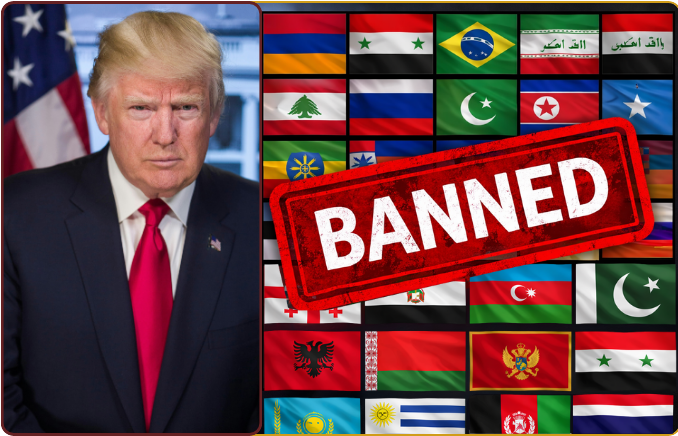
The United States will suspend immigrant visa processing for applicants from 75 countries starting January 21, 2026, according to the State Department. The us travel ban affects nationals from Latin America, the Caribbean, the Balkans, South Asia, Africa, and the Middle East who want to move to the US permanently. Tourist visas and short-term visitor permits remain unaffected by this policy change. The suspension has no announced end date, with officials citing the need to review immigration procedures and prevent entry of individuals who might rely on public benefits.
The State Department instructed US consulates to stop processing immigrant visa applications from the affected countries. President Trump directed this pause to ensure immigrants are financially self-sufficient and don’t become a burden on American taxpayers.
“The Trump administration is bringing an end to the abuse of America’s immigration system by those who would extract wealth from the American people,” the department stated on January 14, 2026. Officials said they need to reassess procedures to prevent foreign nationals from accessing welfare and public benefits after entering the country.
The policy builds on executive actions from November 2025 that tightened financial screening for potential immigrants. The State Department emphasized this represents a complete review of all immigration policies, regulations, and guidance related to united states of america visa processing.
The trump travel ban countries list includes 75 nations across multiple continents:
African Countries (28):
| 🇩🇿 Algeria | 🇪🇷 Eritrea | 🇰🇪 Kenya | 🇸🇳 Senegal |
|---|---|---|---|
| 🇨🇲 Cameroon | 🇪🇹 Ethiopia | 🇱🇷 Liberia | 🇸🇱 Sierra Leone |
| 🇨🇻 Cape Verde | 🇬🇲 The Gambia | 🇱🇾 Libya | 🇸🇴 Somalia |
| 🇨🇮 Cote d’Ivoire | 🇬🇭 Ghana | 🇲🇦 Morocco | 🇸🇸 South Sudan |
| 🇨🇩 DR Congo | 🇬🇳 Guinea | 🇳🇬 Nigeria | 🇸🇩 Sudan |
| 🇪🇬 Egypt | 🇹🇿 Tanzania | 🇨🇬 Rep. of the Congo | 🇹🇳 Tunisia |
| 🇷🇼 Rwanda | 🇹🇬 Togo | 🇺🇬 Uganda |
Asian Countries (23):
| 🇦🇫 Afghanistan | 🇧🇹 Bhutan | 🇮🇷 Iran | 🇳🇵 Nepal |
|---|---|---|---|
| 🇦🇲 Armenia | 🇲🇲 Burma | 🇮🇶 Iraq | 🇵🇰 Pakistan |
| 🇦🇿 Azerbaijan | 🇰🇭 Cambodia | 🇯🇴 Jordan | 🇸🇾 Syria |
| 🇧🇩 Bangladesh | 🇬🇪 Georgia | 🇰🇿 Kazakhstan | 🇹🇭 Thailand |
| 🇰🇼 Kuwait | 🇰🇬 Kyrgyz Republic | 🇱🇦 Laos | 🇺🇿 Uzbekistan |
| 🇱🇧 Lebanon | 🇲🇳 Mongolia | 🇾🇪 Yemen |
Latin American and Caribbean Countries (15):
| 🇦🇬 Antigua and Barbuda | 🇧🇿 Belize | 🇨🇺 Cuba | 🇯🇲 Jamaica |
|---|---|---|---|
| 🇧🇸 Bahamas | 🇧🇷 Brazil | 🇩🇲 Dominica | 🇳🇮 Nicaragua |
| 🇧🇧 Barbados | 🇨🇴 Colombia | 🇬🇩 Grenada | 🇰🇳 Saint Kitts and Nevis |
| 🇭🇹 Haiti | 🇱🇨 Saint Lucia | 🇻🇨 Saint Vincent and the Grenadines | 🇺🇾 Uruguay |
European and Other Countries (9):
| 🇦🇱 Albania | 🇲🇩 Moldova |
🇧🇦 Bosnia and Herzegovina |
|---|---|---|
| 🇧🇾 Belarus | 🇽🇰 Kosovo | 🇷🇺 Russia |
| 🇲🇪 Montenegro |
🇫🇯 Fiji |
🇲🇰 North Macedonia |
The State Department classified these nations as “high-risk” for public benefits usage, though critics question the data supporting this designation.
The suspension only applies to immigrant visa applicants who are nationals of the listed countries. Immigrant visas are for people planning to live permanently in the US and eventually pursue citizenship or permanent residency.
Tourist visas, business visas, student visas, and other nonimmigrant categories remain unaffected. If you’re planning a short-term visit to the US from one of these countries, you can still apply for and receive visitor permits.
Dual nationals have an important exemption. If you hold citizenship in one of the 75 affected countries but also possess a valid passport from a country not on the list, you can use that passport to apply for an immigrant visa without restriction.
The government hasn’t revoked any existing valid immigrant visas. If you already have an approved immigrant visa, it remains valid for entry to the United States, according to the State Department guidance.
Nationals from affected countries can still submit immigrant visa applications and attend scheduled interview appointments at US embassies and consulates. The State Department will continue scheduling applicants for appointments throughout the suspension period.
However, no immigrant visas will be issued to these nationals while the pause remains in effect. This means you can complete all application steps and attend your interview, but consular officers won’t approve or hand over the actual visa document.
The government hasn’t set a deadline for when the suspension might end. Officials described this as a review period to reassess immigration processing procedures, but they didn’t specify how long that review will take or what criteria would need to be met before resuming normal visa issuances.
For questions about admission to the United States with existing visas, the State Department refers applicants to the Department of Homeland Security.
What happens to my immigrant visa interview appointment? You can submit your visa application and attend your scheduled interview. The Department will continue scheduling appointments. However, no immigrant visas will be issued to nationals of affected countries during this pause.
Are there any exceptions to this policy? Yes. Dual nationals applying with a valid passport of a country that isn’t listed above are exempt from this pause. You must use your non-listed country’s passport for the exemption to apply.
Does this affect my current valid visa? No immigrant visas have been revoked as part of this guidance. If you already have a valid immigrant visa, it hasn’t been canceled. For questions about admission to the United States, contact the Department of Homeland Security.
Does this apply to tourist visas? No. This pause specifically targets immigrant visa applicants. Tourist visas are nonimmigrant visas and aren’t affected by this suspension.
The administration says it wants to pause immigrant visa processing for people who might become a “public charge” under US immigration law. This legal term refers to someone likely to rely on government benefits or welfare programs.
The State Department argues officials need to reassess visa procedures to better enforce public charge rules before issuing immigrant visas from the affected countries. The policy aligns with Trump’s stated priority that immigrants must be financially self-sufficient.
Critics argue there’s little data showing immigrants from these countries disproportionately use public assistance. Immigration experts point to Pakistani immigrants in the US, for example, who generally demonstrate economic success and aren’t heavy users of welfare programs. This undermines the stated justification for including Pakistan on the suspension list.
The policy could block hundreds of thousands of legal immigrants from entering the US and impact families and workers who had planned to relocate. Immigration advocates view this as part of a broader pattern of restrictive immigration policies they consider politically motivated or discriminatory rather than data-driven.
If you’re a national of one of the 75 affected countries, monitor the official State Department visa page for updates on when the suspension might be lifted.
You can continue with your application process and attend scheduled interviews, but understand no visas will be issued during this period. If you’re a dual national, confirm you can use a passport from a non-listed country to avoid the suspension.
Consider consulting an immigration attorney for guidance specific to your situation, especially if you have time-sensitive plans or pending applications. Legal professionals can help you understand alternative visa categories or strategies while the immigrant visa pause continues.