
A Look Back at the Case That Changed Hidden City Ticketing Forever
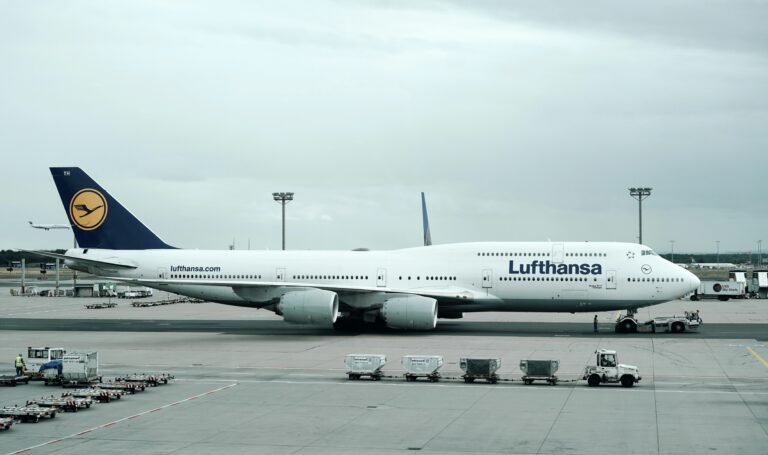
In 2019, Lufthansa made headlines by doing something almost no airline had attempted before: suing an individual passenger for skiplagging. The Lufthansa hidden city lawsuit became a landmark case that still shapes how airlines handle the practice today.
The case centered on a passenger who booked a business class round-trip from Oslo to Seattle via Frankfurt for approximately €657 ($741). On his return flight, he disembarked in Frankfurt and caught a separate flight to Berlin instead of continuing to Oslo—a classic example of hidden city ticketing.
Lufthansa wasn’t happy. The airline demanded €2,112 ($2,381) in additional payment, arguing the passenger should have paid the higher price of a Frankfurt-destination ticket.
The Berlin district court dismissed the Lufthansa hidden city ticketing lawsuit in December 2018, citing that the airline’s contract terms lacked transparency and couldn’t be used to retroactively recalculate fares. Lufthansa filed an appeal but withdrew it in October 2019, effectively conceding defeat.
This became a landmark moment. It was one of the only times an airline had taken legal action against an individual passenger for skiplagging—and they lost.
Seven years later, the lawsuit remains a crucial precedent for hidden city ticketing. While airlines continue to prohibit the practice in their terms of service, pursuing individual passengers through legal channels has proven difficult, at least in European courts.
Airlines can still:
But demanding retroactive payment? That’s a losing battle.
The unintended consequence? The Lufthansa lawsuit gave skiplagging massive publicity, making more travelers aware of the money-saving tactic. Classic Streisand effect.
If you’re considering hidden city ticketing in 2026, understand the risks and how airlines respond. Read our complete guide to skiplagging.