
 Hero image
Prices are shown in EUR by default because most rent and daily costs in Portugal are listed in euros. Switch to USD/GBP for quick comparison, and use the converter below for major currencies.
Convert budgets and rent estimates using daily reference rates (ECB-based). Major currencies only.
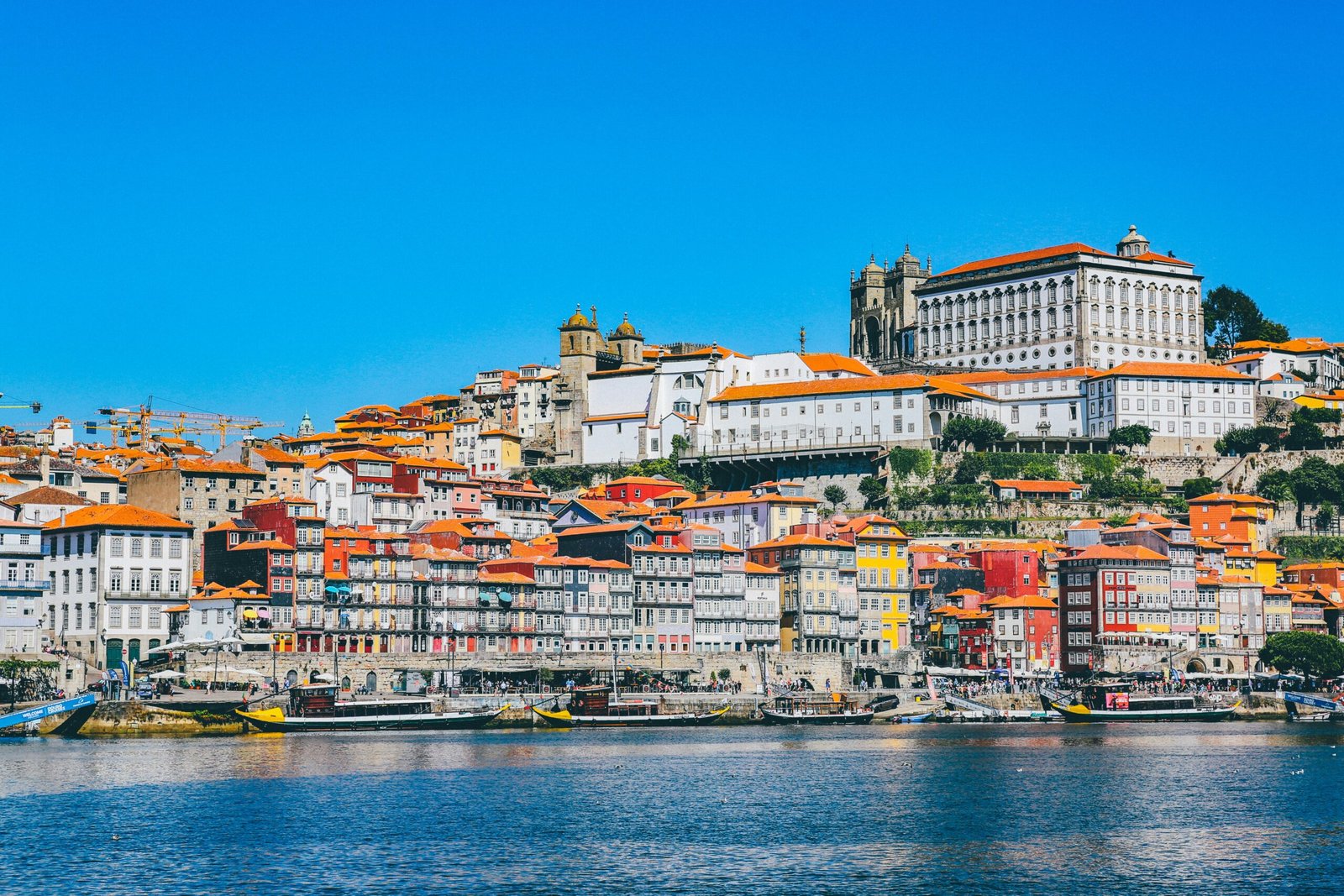
Porto is absolutely worth visiting on its own merits—stunning architecture, incredible food scene, the Douro wine valley, and authentic Portuguese culture. It's Portugal's second-largest city but feels more like a charming large town. The riverside Ribeira district, Port wine cellars, and tile-covered buildings make it visually spectacular.
Choose Porto if you want walkability, great food, and genuine local culture. Skip it only if you need big-city infrastructure or year-round sunshine is non-negotiable.
Winters (November-February) are cold, damp, and gray. Not freezing, but gloomy—about 2,500 sunshine hours yearly (220 days). If you need constant sun or suffer from seasonal depression, winter will be tough.
Summers are beautiful and perfect. Spring/fall are mild and pleasant. Many expats and travelers leave Porto in winter for Algarve or other countries. If you can handle Northern European-style winters, it's fine. Otherwise, plan around it.
Porto is Portugal's best English-speaking city, but that's relative. Tourist areas, hotels, and restaurants have English speakers. Outside those zones, Portuguese is essential for daily life.
Locals are incredibly warm and welcoming—they'll help you even with a language barrier. Learning basic Portuguese dramatically improves your experience and helps you connect with locals. Don't expect the level of English you'd find in Amsterdam or Berlin.
The historic center (Ribeira) gets crowded in summer with tour groups and tuk-tuks, but it's manageable. Most neighborhoods remain authentically Portuguese with locals living normal lives.
It's not the over-tourism disaster you see in other European cities. Live outside the tourist center and you'll barely notice. Porto maintains its character and charm despite growing popularity.
Central/trendy: Cedofeita (hip, cafes, good vibe), Foz do Douro (upscale, beachside, pricey). Good value: Boavista (residential, convenient), Campanhã (cheaper but farther from center). Avoid for long-term: Ribeira (tourist zone, loud, expensive).
Rent: €14-21 per square meter. Areas near metro stations (Trindade, Casa da Música) cost more but offer better convenience. Studios average €700/month, 1-bedrooms €800-1,200 depending on location and condition.
Tight budget: €1,200-1,700 (shared room €500-700, groceries €250, public transport €40, minimal eating out).
Comfortable: €2,000-2,700 (1-bedroom €800-1,200, regular dining out, activities, utilities €100-150).
Higher end: €3,000+ (central apartment, frequent travel, lifestyle spending). Meals: €9-12 lunch, €40-60 dinner for two. Gym €35-40/month. Porto offers excellent value for Western Europe without feeling budget.
Porto works for everyone. Families: recognized as one of Europe's best family cities, good schools, safe streets, parks, beaches nearby. Retirees: affordable healthcare (€400/year private insurance), walkable, slower pace, expat community exists.
Remote workers: growing coworking scene (€50-200/month), good internet, emerging tech scene. Young travelers: hostels, nightlife, culture. Porto's compact size and genuine warmth make it welcoming for all ages and lifestyles. Just know it's quieter and more traditional than typical "digital nomad hubs."