
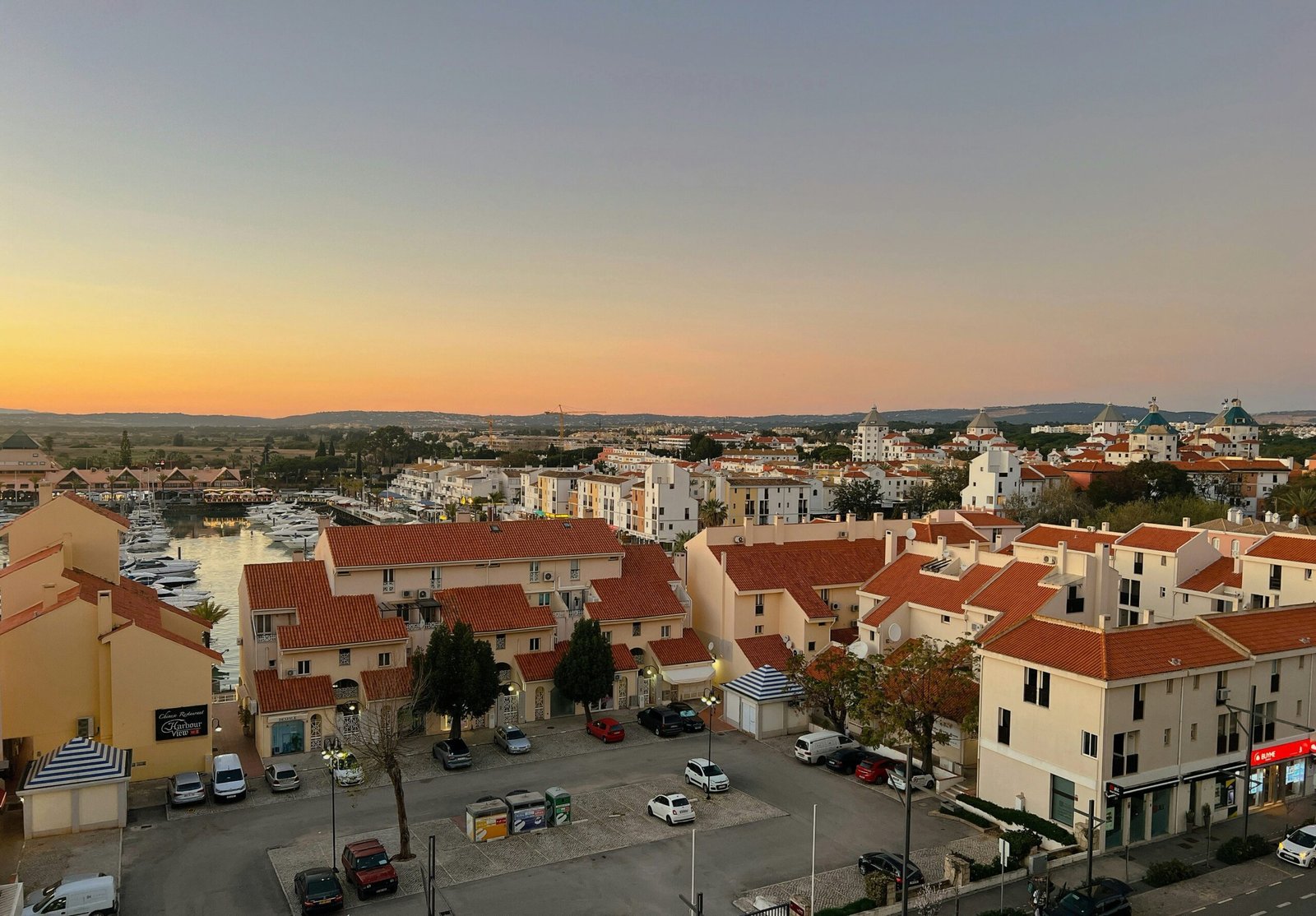
 Hero image
Prices are shown in EUR by default because most rent and daily costs in Portugal are listed in euros. Switch to USD/GBP for quick comparison, and use the converter below for major currencies.
Convert budgets and rent estimates using daily reference rates (ECB-based). Major currencies only.
Faro is absolutely worth considering—it's the most authentic Algarve experience. While tourists rush to resort towns like Lagos or Albufeira, Faro (about 60,000–65,000 people) offers genuine Portuguese life with a charming UNESCO-protected old town, walkable streets, and a year-round local vibe.
You get 300+ sunny days, beaches, Ria Formosa Natural Park, and the international airport minutes away. Choose Faro if you want coastal living without resort crowds, real culture over tourist traps, and generally lower costs than bigger cities.
Very affordable—lower than major cities. Monthly budget: Singles €1,600–2,100, Couples €2,000–2,800. Rent: 1-bedroom €500–700 center, 3-bedroom €800–1,200.
It’s one of Western Europe’s cheapest coastal cities, though prices have been rising and summer demand can push costs up temporarily. Utilities around €120/month and a bus pass about €40/month (covers Lagos, Albufeira, and the wider region).
Tough for locals, limited for expats. A lot of English-speaking work is tourism/hospitality (seasonal), teaching English, or remote positions. If you're not remote, expect a tighter job market and lower salaries.
Faro has reliable internet and a growing digital nomad scene with coworking options. Best for remote workers, retirees, or anyone with location-independent income—don’t move expecting easy local employment.
Less isolated than inland towns. English is widely spoken in tourist areas, restaurants, and many services, especially among younger locals.
Learning Portuguese dramatically improves integration and daily life. The expat community exists but is smaller than some Algarve resort towns, so life can feel more Portuguese than international (a pro or con depending on what you want).
Mediterranean climate—mild winters, hot summers, and 300+ sunny days. Great for outdoor living year-round: beaches, water sports, golf, hiking, cycling, and birdwatching in Ria Formosa.
Faro is laid-back and genuinely relaxed. It’s not a party town—there’s nightlife, but it’s calmer than resort hotspots. Ideal if you want calm coastal life, not constant high-energy entertainment.
Pace: Some find it too slow. Seasonal tourism can bring summer crowds and price spikes (usually less intense than resort towns). Job options are limited, and Portuguese bureaucracy can be frustratingly slow.
The expat community is smaller than many expect. A car is helpful: downtown is walkable, but exploring the region is easier with one. Costs have been rising, especially accommodation.
Ideal for: Retirees (affordable, excellent healthcare, lots of sun), remote workers (good internet, coworking), families (safe, beaches, international schools), people wanting authentic Portugal, outdoor enthusiasts, and beach lovers who want a real city (not just a resort).
Not ideal for: Career seekers (limited jobs), party animals (quiet compared to Lagos/Albufeira), people needing big international communities, and anyone who hates slow bureaucracy or needs constant urban stimulation.
Faro gives you affordable coastal European living with authentic Portuguese culture, incredible weather, and easy airport access—without the resort town downsides.