
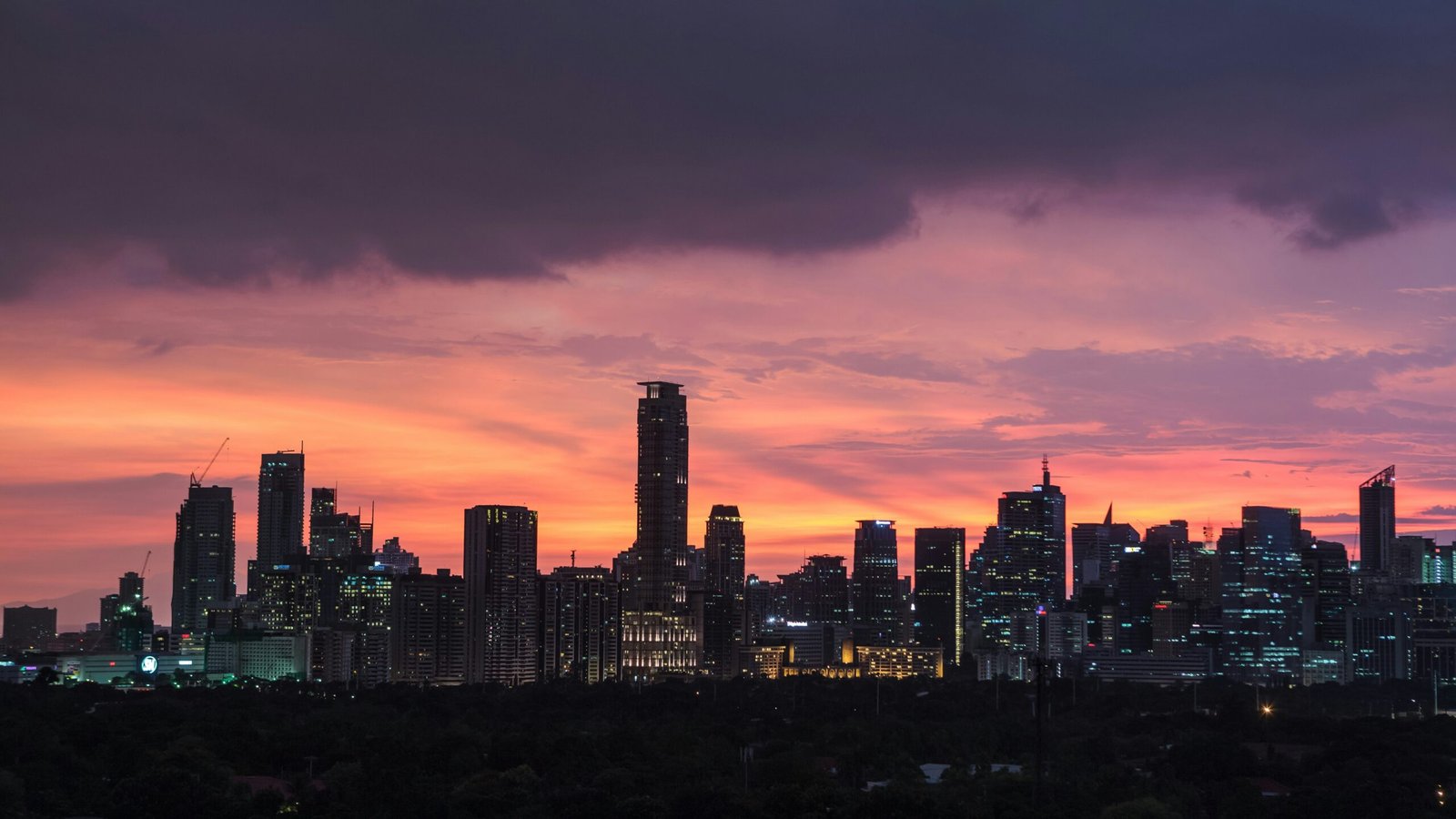
 Image héros
Les prix sont indiqués en PHP par défaut. Passez à USD/EUR pour une comparaison rapide et utilisez le convertisseur ci-dessous pour les principales devises.
Convertir les budgets et les estimations de loyer en utilisant les taux de référence quotidiens (basés sur la BCE). Principales devises uniquement.
Very affordable by Western standards, expensive for Southeast Asia. Monthly budgets often land around ₱60,000–90,000 for singles and ₱120,000+ for families depending on rent and lifestyle.
Central districts (Makati, BGC, Ortigas) are the premium zones; provincial cities can be significantly cheaper. Local meals are cheap, while expat-style dining climbs fast.
Traffic is the biggest downside. Commutes can dominate your day, and air quality is often “moderate” to “unhealthy for sensitive groups.”
If you’re staying long-term, budget for an air purifier and choose your neighborhood carefully to minimize commuting.
English is widely spoken in Manila. You can function without Tagalog, especially in business districts.
Learning basic Tagalog still helps with markets, local neighborhoods, and building deeper relationships.
Generally safe with street smarts. Petty theft and scams happen in crowded areas, while BGC/Makati feel very secure with heavy security presence.
Use Grab instead of random street taxis, avoid flashing valuables, and stick to well-lit areas at night.
Huge expat community concentrated in Makati, BGC, and Ortigas. Social life is active, and Filipinos are famously welcoming.
It’s easy to fall into an “expat bubble” in high-rise condo life—great for comfort, less great for cultural immersion.
Infrastructure stress (traffic, flooding, inconsistent utilities), noise, bureaucracy, heat/humidity, and visible poverty can be emotionally and physically draining.
Healthcare quality varies widely—premium hospitals are solid, but not every area has reliable options.
Ideal for: remote workers/digital nomads on Western incomes, English speakers, extroverts, business builders, and anyone who likes high-energy cities.
Not ideal for: people sensitive to pollution, anyone needing efficiency/quiet, and those who expect Western infrastructure and cleanliness.
Manila offers massive affordability and community—if you can handle the chaos and air quality trade-offs.