
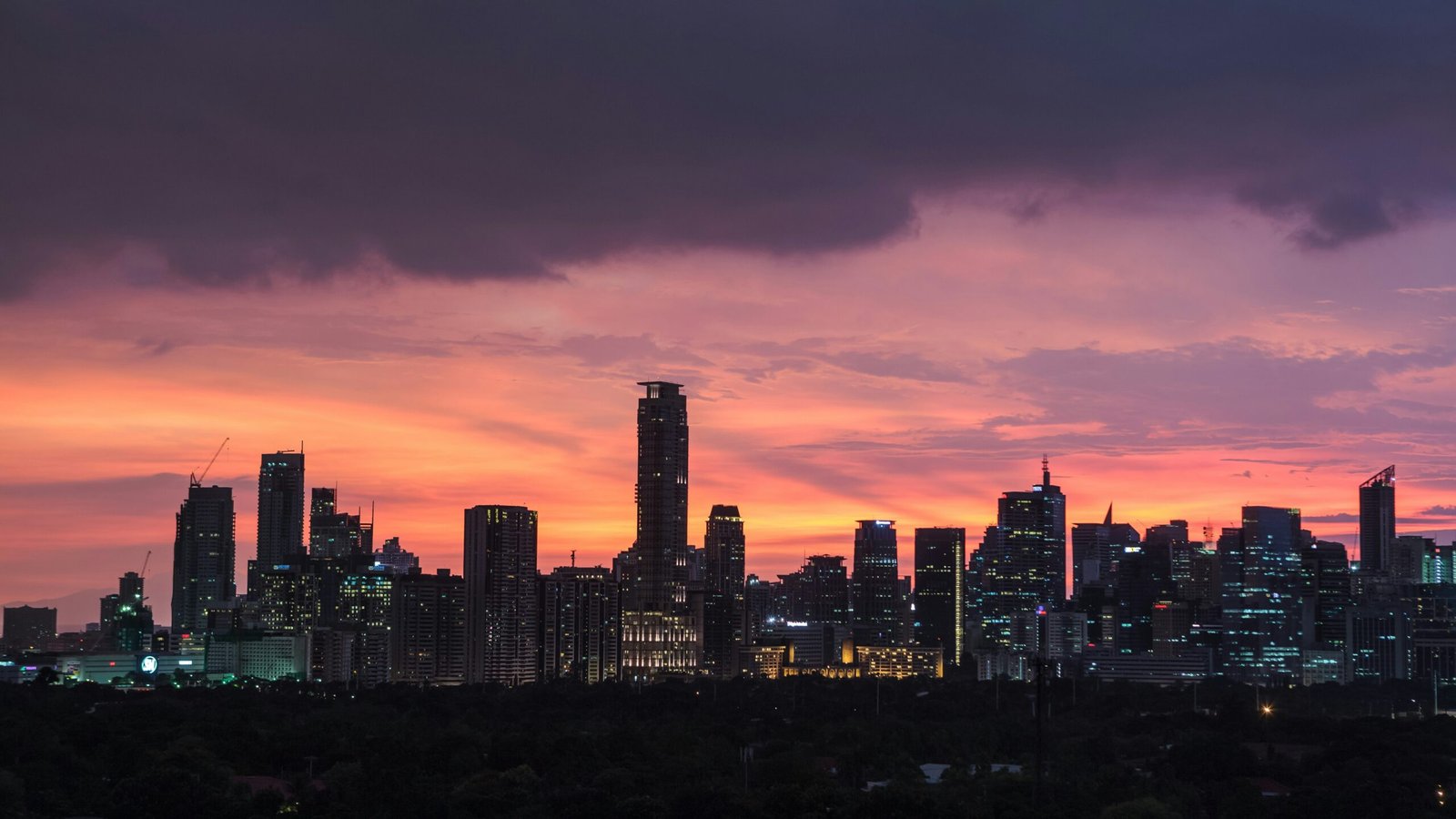
 Heldenbild
Preise werden in angegeben PHP standardmäßig. Wechseln Sie zu USD/EUR für einen schnellen Vergleich, und verwenden Sie den folgenden Konverter für Hauptwährungen.
Budgets und Mietkostenschätzungen anhand von täglichen Referenzkursen (EZB-basiert) umrechnen. Nur Hauptwährungen.
Für westliche Verhältnisse sehr erschwinglich, für Südostasien hingegen teuer. Die monatlichen Ausgaben liegen oft bei etwa 60.000–90.000 ₱ für Singles und bei über 120.000 ₱ für Familien, abhängig von Miete und Lebensstil.
Die zentralen Stadtteile (Makati, BGC, Ortigas) gelten als die gehobenen Wohngegenden; in den Provinzstädten kann es deutlich günstiger sein. Lokale Gerichte sind preiswert, während Restaurants, die von Expats besucht werden, schnell teurer werden.
Der größte Nachteil ist der Verkehr. Pendelfahrten können den ganzen Tag in Anspruch nehmen, und die Luftqualität ist oft “mäßig” bis “ungesund für empfindliche Personengruppen”.”
Bei einem längeren Aufenthalt sollten Sie die Anschaffung eines Luftreinigers einplanen und Ihre Wohngegend sorgfältig auswählen, um den Arbeitsweg zu minimieren.
Englisch ist in Manila weit verbreitet. Man kommt auch ohne Tagalog gut zurecht, insbesondere in Geschäftsvierteln.
Grundlegende Tagalogkenntnisse sind nach wie vor hilfreich auf Märkten, in der Nachbarschaft und beim Aufbau tieferer Beziehungen.
Im Allgemeinen ist es mit etwas Vorsicht sicher. Kleindiebstähle und Betrügereien kommen in belebten Gegenden vor, während man sich in BGC/Makati dank der starken Sicherheitspräsenz sehr sicher fühlt.
Nutzen Sie Grab anstelle von zufälligen Straßentaxis, vermeiden Sie es, Wertsachen offen zur Schau zu stellen, und bleiben Sie nachts in gut beleuchteten Gegenden.
Eine große Expat-Community konzentriert sich in Makati, BGC und Ortigas. Das soziale Leben ist rege, und die Filipinos sind bekannt für ihre Gastfreundschaft.
Im Leben in einer Hochhauswohnung kann man leicht in eine “Expat-Blase” geraten – großartig für den Komfort, weniger gut für das Eintauchen in die Kultur.
Infrastrukturelle Belastungen (Verkehr, Überschwemmungen, unzuverlässige Versorgung), Lärm, Bürokratie, Hitze/Luftfeuchtigkeit und sichtbare Armut können emotional und physisch sehr belastend sein.
Die Qualität der Gesundheitsversorgung variiert stark – Premium-Krankenhäuser sind solide, aber nicht in jeder Region gibt es verlässliche Alternativen.
Ideal für: Fernarbeiter/digitale Nomaden mit westlichem Einkommen, Englischsprachige, Extrovertierte, Unternehmer und alle, die pulsierende Städte mögen.
Nicht ideal für: Menschen, die empfindlich auf Umweltverschmutzung reagieren, alle, die Wert auf Effizienz/Ruhe legen, und diejenigen, die westliche Infrastruktur und Sauberkeit erwarten.
Manila bietet enorme Erschwinglichkeit und ein starkes Gemeinschaftsgefühl – vorausgesetzt, man kann mit dem Chaos und den Nachteilen der Luftqualität leben.