
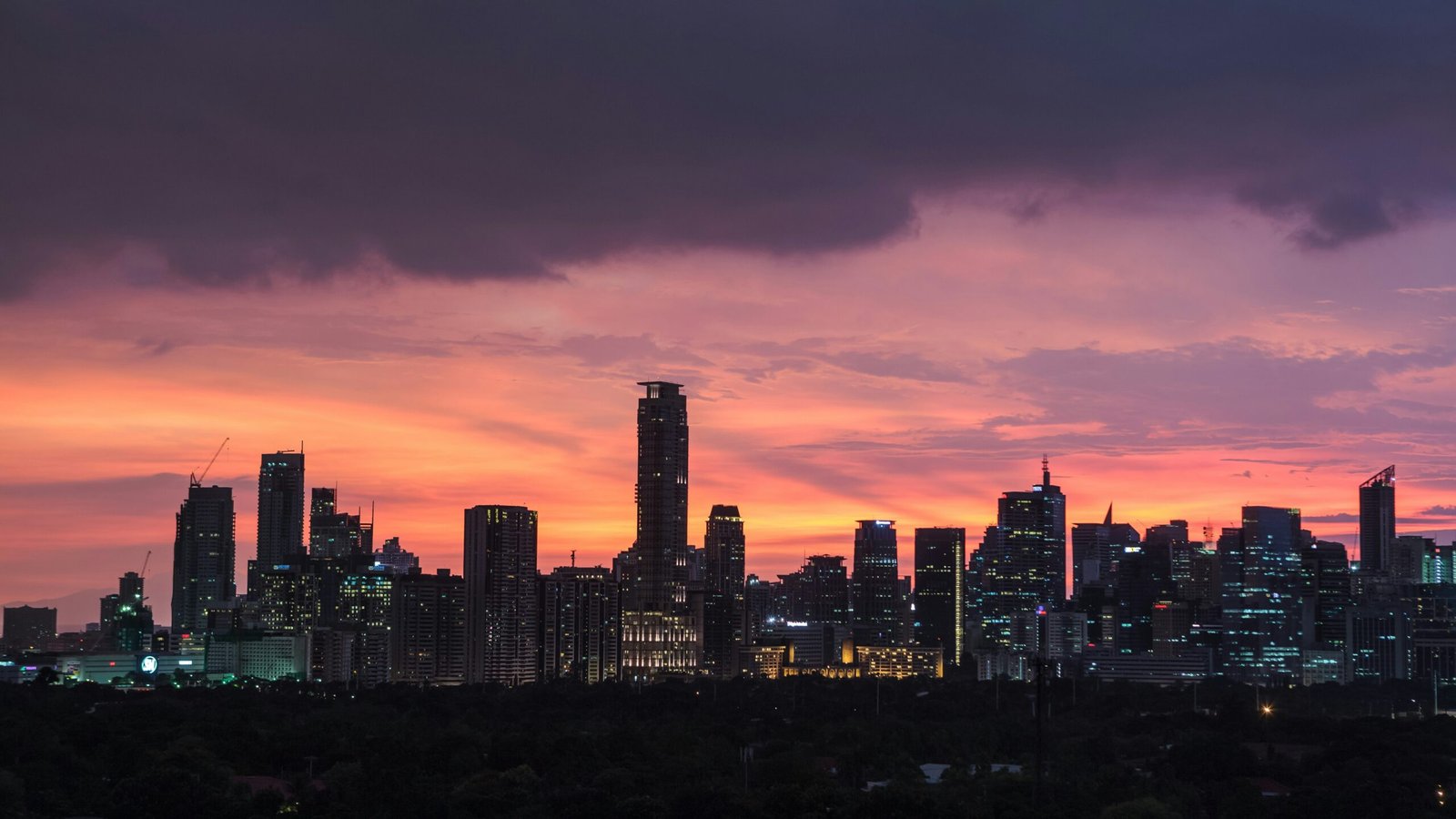
 Imagen principal
Los precios se muestran en PHP Por defecto, cambie a USD/EUR para una comparación rápida y utilice el conversor que aparece a continuación para las principales divisas.
Convierta presupuestos y estimaciones de alquiler utilizando tasas de referencia diarias (basadas en el BCE). Solo las principales divisas.
Muy asequible para los estándares occidentales, pero caro para el sudeste asiático. Los presupuestos mensuales suelen rondar los 60.000-90.000 ₱ para solteros y los 120.000 ₱ o más para familias, dependiendo del alquiler y el estilo de vida.
Los distritos centrales (Makati, BGC, Ortigas) son las zonas más exclusivas; las ciudades provinciales pueden ser considerablemente más baratas. La comida local es económica, mientras que los restaurantes para expatriados suben de precio rápidamente.
El tráfico es el mayor inconveniente. Los desplazamientos diarios pueden ocupar gran parte del día, y la calidad del aire suele ser de "moderada" a "perjudicial para grupos sensibles".“
Si va a quedarse a largo plazo, incluya en su presupuesto un purificador de aire y elija su vecindario con cuidado para minimizar los desplazamientos diarios.
El inglés se habla ampliamente en Manila. Puedes desenvolverte sin saber tagalo, especialmente en los distritos comerciales.
Aprender tagalo básico sigue siendo útil para desenvolverse en los mercados, los barrios locales y para construir relaciones más sólidas.
En general, es seguro si se tiene precaución. Los pequeños robos y las estafas ocurren en zonas concurridas, mientras que BGC/Makati se sienten muy seguros gracias a la fuerte presencia de seguridad.
Utiliza Grab en lugar de taxis callejeros al azar, evita exhibir objetos de valor y permanece en zonas bien iluminadas por la noche.
Gran comunidad de expatriados concentrada en Makati, BGC y Ortigas. La vida social es activa y los filipinos son conocidos por su hospitalidad.
Es fácil caer en una "burbuja de expatriados" en la vida de un condominio de gran altura; ideal para la comodidad, pero no tanto para la inmersión cultural.
El estrés que generan las infraestructuras (tráfico, inundaciones, servicios públicos irregulares), el ruido, la burocracia, el calor/la humedad y la pobreza visible pueden resultar agotadores tanto emocional como físicamente.
La calidad de la atención médica varía mucho: los hospitales de primera categoría son excelentes, pero no todas las zonas cuentan con opciones fiables.
Ideal para: Trabajadores remotos/nómadas digitales con ingresos occidentales, angloparlantes, extrovertidos, emprendedores y cualquier persona a la que le gusten las ciudades dinámicas.
No ideal para: Personas sensibles a la contaminación, personas que necesitan eficiencia y tranquilidad, y quienes esperan infraestructuras y limpieza propias de Occidente.
Manila ofrece precios muy asequibles y un fuerte sentido de comunidad, si puedes soportar el caos y los inconvenientes relacionados con la calidad del aire.